
Romania Travel Knowledge Hub

Romania Travel Guide: Everything You Need to Know Before Visiting

By Neli Budeanu

Co-founder, DACO Private Travel · Former hospitality professional in Bucharest

Local travel knowledge based on living in Romania, working in hospitality and helping organise journeys for international visitors.

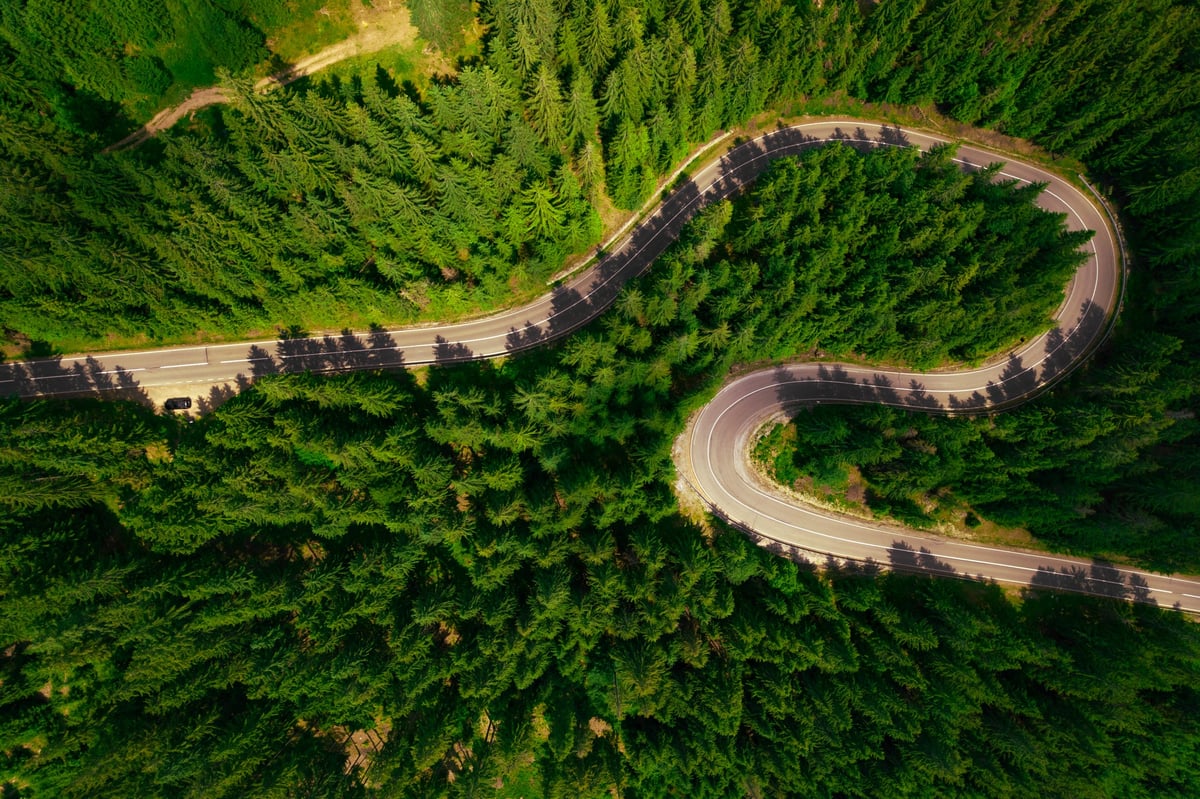
Aerial view of a winding road passing through green mountains and forest, capturing the experience of travelling through the Romanian landscape

Romania is easier to enjoy once you stop trying to fit the entire country into one trip.

On a map, Bucharest, Transylvania, the Carpathian Mountains, the Danube Delta, the Black Sea, medieval towns, castles and mountain roads can all look reasonably close.

They are not always difficult to reach.

But they do require time.

That is probably the most useful thing to understand before planning a trip here.

Romania rewards travellers who leave enough space between the places they want to see.

This guide explains the practical side of visiting Romania for the first time: when to come, how many days to stay, where to go, how to move around, what to expect in Bucharest and Transylvania, how money and language work, and what international travellers often underestimate.

The Short Answer

For most first-time visitors, 7 to 10 days gives you enough time to combine Bucharest with part of Transylvania and another Romanian experience without spending the entire holiday changing hotels or sitting in a vehicle.

If you have less time, do less.

A good four-day trip is better than an exhausting attempt to see half the country.

For a first visit, a natural structure might include:

  • one or two days in Bucharest;
  • several days around Sinaia, Brașov and Transylvania;
  • one additional region, experience or scenic route if time and season allow.

Romania can be travelled independently by train or rental car.

Private transport becomes useful when the itinerary involves several places in one day, difficult connections, luggage, airports, remote areas or simply when you do not want transport logistics to become part of your holiday.

Romania at a Glance

Question Practical answer
How many days? Around 7–10 days works well for many first visits
Bucharest Usually 1–2 full days
Best seasons for a first trip Spring, early summer and early autumn are particularly versatile
Currency Romanian leu — RON
Euro used? Not as Romania's official currency
Language Romanian
English Common in many hotels, restaurants and tourism situations
Driving side Right
Emergency number 112
Schengen Romania is part of the Schengen area
Main international gateway Bucharest Henri Coandă International Airport
Train, car or private driver? Depends strongly on the route
Best general advice Plan by geography, not by attraction list

Is Romania Worth Visiting?

Yes — especially if you prefer destinations where the journey changes noticeably as you move through the country.

Romania is not one uniform travel experience.

Bucharest feels different from Brașov.

Brașov feels different from the villages around it.

Transylvania feels different from the Danube Delta.

The Black Sea is another journey again.

Then there are regions such as Maramureș and Bucovina, where architecture, traditions, distances and the rhythm of travel change significantly.

That variety is one of Romania's strengths.

It is also why planning matters.

A traveller who tries to visit every famous place may spend far more time moving than experiencing.

If you want a broader picture before choosing destinations, our Romania by Region guide explains how the country changes from one area to another.

How Many Days Do You Need in Romania?

For most first-time visitors, we would start with seven to ten days.

Seven days gives you enough time for a meaningful first journey.

Ten days creates more breathing room.

Two weeks allows you to begin combining different regions without turning every second day into a long transfer.

That does not mean you need ten days to enjoy Romania.

You can have an excellent long weekend.

The question is simply what that trip is trying to achieve.

If you have 3–4 days

Keep the geography tight.

Bucharest plus one carefully chosen excursion can work very well.

For example:

Bucharest and Sinaia.

Or Bucharest with Peleș, Bran and Brașov.

Trying to add Sibiu, Sighișoara, the Danube Delta and the Transfăgărășan would create a transport exercise rather than a holiday.

If you have 7 days

You can begin combining:

  • Bucharest.
  • The Prahova Valley.
  • Brașov.
  • Part of Transylvania.
  • Perhaps one additional experience depending on the season.

If you have 10–14 days

Now the country opens up.

You can travel more slowly through Transylvania or add another region without constantly returning to Bucharest.

Our detailed guide, How Many Days Do You Need in Romania?, explains these trade-offs in more depth.

What Is the Best Time to Visit Romania?

There is no universally best month.

It depends on what you want Romania to look like.

For a first visit combining cities, castles, countryside and road travel, late spring, early summer and early autumn are particularly versatile.

Spring brings green landscapes and comfortable city days.

Summer gives you long daylight hours and greater access to mountain areas, although some destinations become busier and Bucharest can be hot.

Autumn changes the landscape dramatically, especially through mountain and rural regions.

Winter works differently.

It can be excellent for Christmas markets, mountain resorts, castles and slower city travel, but high-altitude road itineraries need to respect seasonal conditions.

The important principle is simple:

Do not choose the month first and then force a summer itinerary into it.

Choose the season and build the journey that suits it.

For a month-by-month comparison, see Best Time to Visit Romania.

What Should You Visit on a First Trip to Romania?

There is no compulsory Romanian itinerary.

But several places naturally work together.

Bucharest

For many international visitors, Bucharest is the first contact with Romania.

It is worth understanding rather than simply using as an airport.

The city is layered rather than perfectly preserved.

Belle Époque architecture, communist urban planning, Orthodox churches, contemporary restaurants, interwar houses, parks and modern business districts can exist surprisingly close to one another.

One full day gives you an introduction.

Two days is usually better.

Our Bucharest Travel Guide, Bucharest in One Day and Bucharest in Two Days are useful starting points.

Sinaia and Peleș Castle

Sinaia sits naturally on the journey north from Bucharest.

Peleș Castle introduces a very different part of Romanian history from the one most visitors first associate with the country.

It can work as a destination on its own or as part of a route toward Brașov.

Brașov

Brașov is one of the easiest Transylvanian cities for first-time visitors to understand.

Its historic centre, mountain setting and location make it a useful base for exploring several nearby places.

It also provides a very different rhythm from Bucharest.

See our Brasov Travel Guide for a fuller picture of the city.

Bran Castle

Bran is internationally associated with Dracula.

That is part of its tourism identity.

But Dracula, Vlad the Impaler and Bran Castle are three related but distinct stories.

Understanding that distinction usually makes the visit more interesting.

Transylvania

Transylvania is not one attraction.

It is a large historical region containing cities, villages, fortified churches, castles, mountain landscapes and different cultural histories.

Trying to "do Transylvania" in one day misunderstands what the region is.

You can see part of it in a day.

Understanding it takes longer.

Sibiu and Sighișoara

If your itinerary extends farther into Transylvania, Sibiu and Sighișoara become natural possibilities.

At that point, however, we would usually stop treating Bucharest as the base.

Repeatedly returning to the capital wastes travel time.

Move the journey forward instead.

The Transfăgărășan

The Transfăgărășan is unusual because the road itself is the experience.

This is not simply transport between two attractions.

The mountain journey, scenery and changing elevation are the reason to go.

Its accessibility and driving conditions are seasonal, so it should always be planned according to current road information rather than assumed to be available year-round.

The Danube Delta

The Danube Delta requires a different mindset.

This is not another castle stop.

It is a landscape experience shaped by water, wildlife, boats, villages and a slower rhythm.

If the Delta matters to you, give it proper time.

The Black Sea

Romania's Black Sea coast can be combined with Bucharest, particularly in summer.

Constanța is the main urban reference point, but the coast contains very different resort experiences.

Again, season matters.

Should You Stay Mainly in Bucharest?

Usually not if you are coming specifically to explore Romania.

Bucharest works very well as:

  • the beginning of a trip;
  • the end of a trip;
  • a base for selected day trips;
  • a city break in its own right.

It becomes less useful when every day requires travelling several hours north and then returning in the evening.

For one or two excursions, staying in Bucharest can be convenient.

For a deeper Transylvania itinerary, move your accommodation.

A base is useful only while it reduces travel.

Once it starts creating repeated journeys, it has stopped being a good base.

How Do You Get Around Romania?

There is no single best transport method.

Romania is a country where the right answer genuinely depends on the route.

Train

Train travel works well on some important corridors and is particularly useful when:

  • you are travelling between major cities;
  • the station is reasonably central;
  • you want to avoid driving;
  • your itinerary does not require several rural stops.

Bucharest to places such as Sinaia and Brașov can make sense by rail.

Train travel becomes less elegant when reaching the station is only the first of several transport stages.

Our Romania by Train guide explains where rail makes sense and where it begins adding friction.

Rental car

A rental car gives you independence.

That is extremely useful if you want countryside, villages, flexible stops or routes that are poorly served by public transport.

But independence also means responsibility.

You manage:

  • navigation;
  • parking;
  • road conditions;
  • fuel;
  • traffic;
  • the vehicle;
  • timing.

For some travellers, that freedom is the point.

For others, it turns part of the holiday into work.

Read Driving in Romania for the First Time before deciding.

Private driver or transfer

Private transport is not automatically necessary.

Sometimes a train is easier.

Sometimes renting a car is more appropriate.

Private transport becomes particularly useful when:

  • several destinations need to be combined;
  • luggage is involved;
  • you have an airport connection;
  • the journey begins early or ends late;
  • public transport requires several changes;
  • you want flexible stops;
  • your group wants to travel together;
  • you prefer not to drive.

The best transport decision is the one that removes unnecessary friction from that particular day.

Our Getting Around Romania: Train, Car or Private Transfer? guide compares these options in detail.

Are Distances in Romania Difficult?

The kilometres are not usually the problem.

The assumption behind them can be.

A traveller looks at two places on a map.

They appear close.

The route looks manageable.

Then come:

  • city traffic;
  • mountain roads;
  • villages;
  • weekend congestion;
  • weather;
  • roadworks;
  • parking;
  • stops;
  • attraction queues.

Suddenly the day feels very different.

This is one of the most common planning mistakes we see.

Do not build Romanian itineraries only from kilometre counts.

Plan around realistic door-to-door days.

That includes breakfast, departure, parking, walking, tickets, meals, stops and the fact that you are on holiday.

Is Driving in Romania Difficult?

Not necessarily.

But it requires attention.

Major roads vary.

Mountain routes are different from motorways.

Some rural roads are slower than they appear on a map.

Bucharest traffic can also be demanding if you are unfamiliar with the city.

A confident driver may enjoy the freedom enormously.

Someone who already dislikes driving abroad is unlikely to become happier simply because a rental car appears efficient on paper.

Transport decisions are partly logistical.

They are also personal.

Is Romania Safe for Tourists?

For most travellers, Romania can be approached with the same normal urban and travel awareness you would use elsewhere in Europe.

In cities, think about:

  • belongings in crowded places;
  • official or clearly identified transport;
  • traffic when crossing streets;
  • knowing the price before accepting unfamiliar services;
  • normal late-night awareness.

On road trips, practical safety also means respecting:

  • weather;
  • mountain conditions;
  • seasonal road access;
  • driving fatigue;
  • realistic daily distances.

Safety is not only about crime.

Good travel planning removes avoidable problems before they appear.

For a fuller answer, see Is Romania Safe for Tourists? What International Travellers Should Actually Know.

What Currency Does Romania Use?

Romania uses the Romanian leu, usually written as RON.

The euro is not Romania's official currency.

Cards are common in cities, hotels, restaurants and many tourism businesses.

Cash can still be useful, particularly for:

  • smaller businesses;
  • markets;
  • rural areas;
  • small purchases;
  • situations where card terminals are unavailable.

You do not need to build your trip around carrying large amounts of cash.

You do need to remember that Romania is not a euro-currency country.

Our Money in Romania guide explains cards, cash and tipping in more detail.

Do People Speak English in Romania?

Romanian is the country's official language.

In Bucharest and major tourist destinations, many visitors manage perfectly well in English, particularly in:

  • hotels;
  • restaurants;
  • tourism businesses;
  • younger urban environments;
  • major attractions.

That becomes less predictable as you move into smaller communities.

You do not need Romanian to visit Romania.

But learning a few words is always appreciated.

More importantly, do not assume that every practical interaction will happen in fluent English simply because the hotel reception did.

Travel becomes easier when expectations are realistic.

Do You Need a Visa to Visit Romania?

That depends on your nationality, travel document and circumstances.

Romania is part of the Schengen area, so international visitors should check the rules that apply to their particular passport and travel situation rather than relying on an old travel article or forum discussion.

For current entry and visa requirements, use official Romanian or European authorities before travelling.

Regulations are one area where advice should be current, not remembered.

What Should You Pack for Romania?

Pack for the trip you are actually taking.

Not for the word "Romania".

A July city break in Bucharest and an October road journey through the Carpathians require very different luggage.

If your itinerary crosses cities and mountains, layers are useful.

Comfortable walking shoes matter more than travellers sometimes expect.

For road trips, leave room for changing temperatures and weather.

If you are visiting religious sites, rural areas or mountain environments, your practical needs change again.

Our What to Pack for Romania guide breaks this down by season.

Where Should You Stay?

Start with geography.

Then choose the hotel.

Not the other way around.

A beautiful hotel becomes a poor choice if it forces you to cross the same city every morning or adds an unnecessary hour to every departure.

In Bucharest, staying centrally can be extremely useful for a short first visit.

That does not automatically mean sleeping inside the Old Town.

Around Calea Victoriei and other central areas, you can remain close to important sights while accessing several different parts of the city.

In Transylvania, choosing the right base depends on the route you are building.

Our Where to Stay in Romania guide explains how to think about accommodation as part of the itinerary rather than as a separate booking decision.

What Do Travellers Often Underestimate About Romania?

1. The size of the country

Romania is large enough that choosing regions matters.

2. Road time

A route that looks reasonable geographically may consume much more of the day than expected.

3. How different the regions feel

Bucharest cannot represent the entire country. Neither can Transylvania.

4. Seasonality

The same itinerary can behave very differently in May, August, October and January.

5. The value of doing less

Many Romanian itineraries improve immediately when one destination is removed.

6. Transport transitions

Train plus taxi plus luggage plus hotel check-in is not the same as a simple line on a map.

7. That famous does not always mean essential

Your trip does not fail because you did not collect every major attraction.

How Should You Plan a Romania Itinerary?

Start with the experience.

Then build the route.

Ask yourself:

What do I actually want from Romania?

Cities?

Castles?

History?

Mountain scenery?

Food?

Villages?

Driving?

Nature?

A slower holiday?

A road trip?

Then group destinations geographically.

After that, calculate realistic movement.

Only then decide how many places fit.

This is usually better than opening a list of Romania's "top 20 attractions" and trying to connect them.

Our guide How to Plan a Romania Itinerary Without Trying to See Everything goes deeper into this approach.

What Kind of Romania Trip Works Best for Couples?

Usually one that leaves enough space to enjoy being together.

Not one where every hour has an instruction.

A good couples itinerary may mix:

  • a city;
  • a scenic road;
  • a beautiful hotel;
  • a long lunch;
  • a castle or historical visit;
  • countryside;
  • an unscheduled evening.

The objective is not necessarily romance in the conventional tourism sense.

It is avoiding a trip where logistics dominate the relationship.

See Romania for Couples for a more detailed planning approach.

What About Families?

Family itineraries usually need fewer transitions.

Moving children, luggage, accommodation and transport repeatedly creates friction quickly.

That often means:

  • fewer hotel changes;
  • realistic road days;
  • breaks;
  • flexible meals;
  • activities adults also enjoy.

Romania can work extremely well for families when the itinerary is not designed like an adult sightseeing marathon.

Our Romania with Children guide explains this in more detail.

Is Romania Good for Solo Travellers?

Yes, particularly for travellers comfortable organising their own transport and accommodation.

Solo travel also makes every logistical task yours.

You book the ticket.

You watch the luggage.

You navigate.

You arrange the transfer.

You solve the missed connection.

Some people genuinely enjoy that independence.

Others discover that independence and constant logistics are not the same thing.

Our Romania for Solo Travellers guide looks at that distinction.

Should You Book Everything Before Arriving?

Not everything.

But do not confuse flexibility with having no plan.

Flights and accommodation around important dates should usually be secured appropriately.

Popular attractions may require planning.

Transport involving specific schedules should be checked.

Seasonal mountain routes should never be assumed.

The parts of a trip that can create a chain reaction deserve attention first.

If missing one booking affects three other parts of the day, organise it.

If choosing tonight's restaurant changes nothing else, perhaps leave some freedom.

What Is Romanian Food Like?

Romanian food reflects several regional and historical influences.

You will encounter soups, grilled meats, slow-cooked dishes, polenta, cheeses, pastries, vegetables, pickles and many regional variations.

But modern Romania does not eat only traditional Romanian food.

Bucharest in particular has a large contemporary restaurant scene.

Food becomes more interesting when you stop asking:

"What is the single national dish?"

and start asking:

"How does this part of Romania eat?"

Our Romanian Food Explained guide is a useful introduction before you arrive.

What Is Romanian Hospitality Like?

Hospitality in Romania can be warmer and more personal than visitors expect, particularly once interaction moves beyond formal service.

At the same time, communication styles vary.

Not every Romanian will perform friendliness in the polished way visitors may recognise from international hotel brands.

That should not automatically be interpreted as hostility.

Context matters.

Our Romanian Etiquette for Visitors and What Romanian Hospitality Really Feels Like explore this side of travelling here in greater depth.

So What Would We Recommend for a First Trip?

Keep the first journey understandable.

Spend enough time in Bucharest to understand the capital.

Then leave it.

Experience the shift toward the mountains and Transylvania.

Choose one or two places you genuinely care about rather than collecting famous names.

Allow the country to change around you.

And leave some parts for another visit.

A Romanian trip does not become better because the itinerary is full.

It becomes better when the movement between places makes sense.

When Independent Travel Works Very Well

We would not tell every traveller to book a private journey.

Sometimes you genuinely do not need one.

Take the train if the train solves the problem elegantly.

Rent a car if driving is part of the freedom you want.

Walk if the city is best understood on foot.

Stay another night if moving adds nothing.

Good travel planning is not about using the most expensive solution.

It is about using the right one.

When Local Planning or Private Travel Becomes Useful

There is usually a point where a Romanian itinerary changes from simple travel into coordination.

Several cities.

Different hotels.

Airport arrivals.

A castle reservation.

A long road day.

A mountain route.

Luggage.

A family.

A group.

A transfer followed by an experience followed by another city.

None of those things is particularly complicated on its own.

The complexity appears when they begin depending on one another.

That is where local planning can make a difference.

DACO Private Travel is based in Bucharest and arranges private travel around Romania through:

Sometimes that means organising an entire route.

Sometimes it means one airport transfer.

Sometimes it means telling you that the train is the better option.

That is how we think travel planning should work.

Before You Come to Romania

If there are five things we would want a first-time visitor to remember, they are these:

Do not underestimate distance.

Choose regions before attractions.

Match transport to the route.

Give Bucharest enough time, but do not let the entire country become a day trip from Bucharest.

Leave space in the itinerary.

Romania becomes much easier to understand once you stop trying to conquer it.

Travel through it instead.

Neli Budeanu

Co-founder, DACO Private Travel

Former hospitality professional, Bucharest

Local travel knowledge based on living in Romania, working in hospitality and helping organise journeys for international visitors.

Common questions

Frequently Asked Questions

Continue Planning Your Trip

From here, the most useful next guide depends on what you are deciding.

If you are choosing when to come, continue with Best Time to Visit Romania.

If you are deciding how long to stay, read How Many Days Do You Need in Romania?

If you already know your dates but not your route, continue with How to Plan a Romania Itinerary Without Trying to See Everything.

If transport is the problem, start with Getting Around Romania: Train, Car or Private Transfer?

If Bucharest is your first stop, use the Bucharest Travel Guide.

And if you would rather have the complicated parts coordinated locally, Plan My Trip is where DACO can help turn the information into a privately arranged journey through Romania.

Romania, privately arranged.