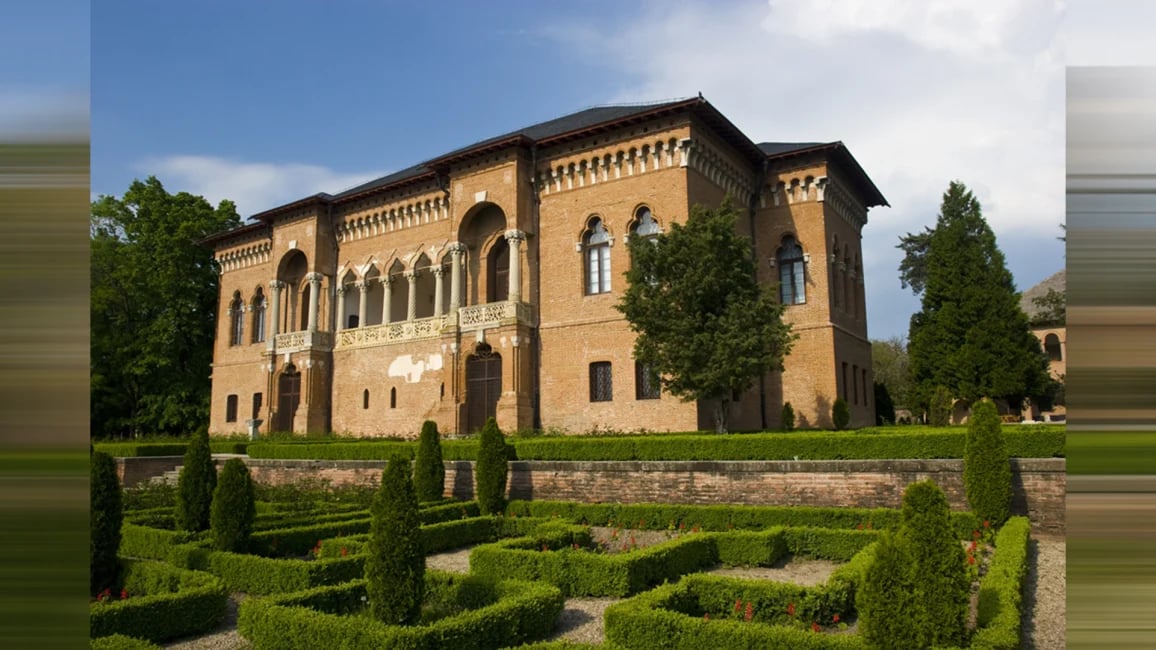
Historic European castle with ornate architecture, ivy-covered walls, formal manicured gardens with cypress hedges in foreground
Half-Day Tour

The Dracula Legacy

Follow the trail of Vlad the Impaler, the real Dracula, from his island tomb at Snagov Monastery to the elegant halls of Mogoșoaia Palace. A half-day escape from Bucharest into history, legend, and lakeside beauty.

4-5 hours
From €50 per person
Private tour, any group
Plan This Trip
At a Glance

Quick facts

Everything you need to know in 30 seconds

Tour Type Private half-day tour
Departure Bucharest
Return Bucharest
Duration 4–5 hours
Transport Private vehicle with driver-guide
Languages English & Italian included; FR, DE, ES, RU on request
Availability Daily
Year-round
Pickup Hotel pickup & drop-off included
Region Bucharest & Ilfov County
Best For History lovers
Dracula enthusiasts
Architecture admirers
First-time visitors
How the day unfolds

Complete itinerary

A private half-day journey from Bucharest through history, legend and architectural heritage. Each stage builds naturally on the one before it.

Hotel Pickup

Private pickup from your Bucharest hotel. Your driver-guide introduces the route and sets the tone: this is not a horror tour. It is a journey that separates the documented history of Vlad III Dracula — the 15th-century voivode — from the fictional Count Dracula created by Bram Stoker four centuries later.

Why this stop matters

The distinction between history and fiction is drawn from the very first conversation. Everything that follows rests on this foundation.
Journey to Snagov

The route leaves Bucharest and crosses into the forested lake landscape north of the capital. Oak and lime woods part to reveal glimpses of water — Snagov Lake, one of Romania's largest natural lakes and the setting for the country's most enduring historical legend.

Snagov Monastery

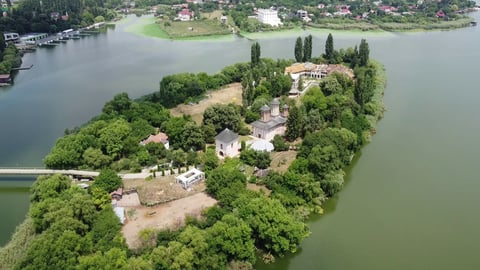
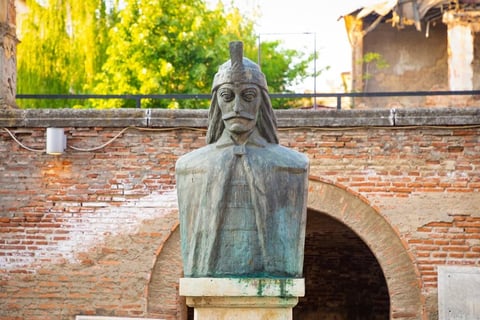
A medieval Orthodox monastery on an island in the middle of Snagov Lake, reached by a short footbridge. Tradition holds that Vlad III — Vlad the Impaler — was buried here after his death in battle in 1476 or early 1477. The monastery's small 16th-century church contains frescoes from the period and a tombstone traditionally attributed to him. Historians continue to debate the evidence: no definitive archaeological proof confirms the burial.

Did You Know?

Bram Stoker never visited Romania. His Count Dracula was inspired by library research in London, not by any personal knowledge of Vlad III or Snagov.

Snagov Lake

Time to absorb the setting. The island monastery, the still water reflecting forested shores — a scene that has changed little in centuries. Peaceful and unhurried, this is a moment to step back from the story and simply take in the landscape that holds it.

Photo Tip

The best view of the monastery island is from the eastern shore at mid-morning, when the light falls directly on the church.

Mogoșoaia Palace

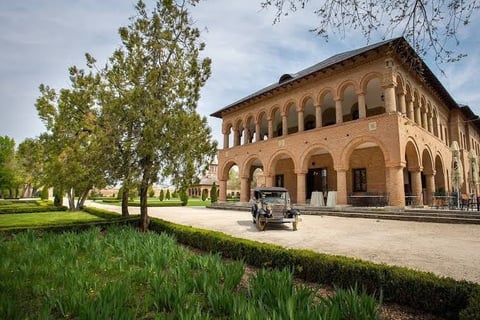
A masterpiece of Brâncovenesc architecture, built between 1698 and 1702 by Prince Constantin Brâncoveanu. This uniquely Romanian style blends Byzantine, Ottoman, Italian Renaissance and Baroque elements. The palace is a landmark of national cultural identity — refined, elegant and entirely different from the medieval austerity of Snagov.

Local Insight

Brâncoveanu was executed in Constantinople in 1714. His refusal to renounce his faith made him a saint in the Romanian Orthodox Church — and a symbol of cultural resilience.

Palace Gardens

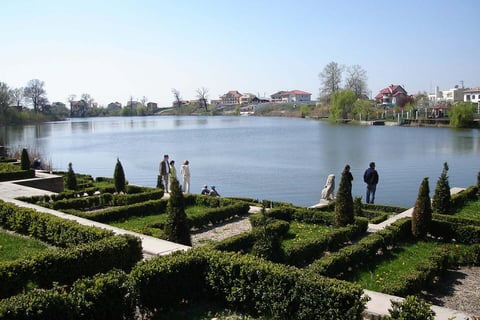
Formal terraced gardens descending towards the lake, bordered by clipped hedges and mature trees. The palace's arcaded loggia and delicate stone carvings reflect in the still water. After the medieval gravity of Snagov, the gardens offer a completely different register — aristocratic, composed, luminous. The contrast between the two sites makes the journey feel larger than its half-day duration.

Why this stop matters

The shift from a medieval island monastery to an 18th-century lakeside palace captures the breadth of Romanian history in two extraordinary settings.

Journey Back to Bucharest

The return drive traces the route in reverse, but the experience has shifted. The day has connected three distinct threads: the medieval world of Vlad III, the Brâncovenesc refinement of Mogoșoaia, and the literary afterlife created by Bram Stoker — three centuries of Romanian history, legend and architecture in a single half-day.

Arrival at Your Hotel

Your guide returns you to your Bucharest hotel in the early afternoon. You arrived expecting Dracula; you leave having discovered Vlad III, Brâncoveanu, and the real history behind one of Europe's most famous legends. The fiction is entertaining — but the truth, as you now know, is far more interesting.

Why this final stage matters

The best journeys leave you with something more than photographs. They change the way you understand a place and its stories.

The Destination

About the Dracula Legacy

A journey through Romanian history, architecture and one of Europe's most famous legends.

Quick facts about the Dracula Legacy

Region Bucharest & Ilfov County, Wallachia
Main destinations Snagov Monastery, Snagov Lake, Mogoșoaia Palace
Historical period 15th – 18th centuries
Architectural style Medieval Orthodox & Brâncovenesc
Best known for Vlad the Impaler's traditional burial site; Brâncovenesc architecture
Landscape Lakeside forests, island monastery, formal palace gardens
Typical visit season Year-round

What makes this journey unique?

Few half-day tours from a European capital combine such distinct historical layers: a medieval island monastery traditionally associated with the burial of Vlad the Impaler, and an 18th-century palace that represents the highest achievement of Romanian Brâncovenesc architecture. This is not a horror-themed excursion. It is a carefully structured journey that separates documented history — Vlad III, the 15th-century voivode of Wallachia — from the fictional Count Dracula created by Bram Stoker in 1897. Along the way, you encounter Orthodox heritage, lakeside landscapes and one of Romania's finest architectural ensembles.

Snagov Monastery

Snagov Monastery occupies a small island on Snagov Lake, approximately 40 km north of Bucharest. The monastery dates to the medieval period and remains an active place of Orthodox worship. Its small 16th-century church contains original frescoes and a tombstone traditionally attributed to Vlad III — Vlad the Impaler — who died in battle in late 1476 or early 1477. The island setting, reached by a footbridge, creates a sense of isolation that has changed little across centuries. According to long-standing local tradition, Vlad the Impaler was buried here, although historians continue to debate the evidence: no definitive archaeological proof has ever confirmed the burial. The monastery's significance extends well beyond the Dracula legend — it is an important site of Wallachian religious and cultural heritage.

Vlad the Impaler & the Dracula Legend

Vlad III, known as Vlad Țepeș (the Impaler), ruled Wallachia three times between 1448 and 1476. A voivode — a military governor — he fought the Ottoman Empire and defended Wallachian autonomy. His reputation for harsh justice was documented by contemporary chroniclers. Four centuries later, Bram Stoker, an Irish author who never visited Romania, borrowed the name "Dracula" from Vlad III's dynastic title — Dracul, meaning "dragon" — for his 1897 Gothic novel. Stoker's vampire Count Dracula is a work of fiction. The two figures share a name and little else. This tour keeps that distinction clear, giving Vlad III the historical attention he deserves while explaining how the literary legend developed.

Mogoșoaia Palace

Built between 1698 and 1702 by Prince Constantin Brâncoveanu, Mogoșoaia Palace sits on the shores of a lake 15 km from Bucharest. It is a landmark of Brâncovenesc architecture — a synthesis of Byzantine, Ottoman, Italian Renaissance and Baroque influences that emerged uniquely in Wallachia. Brâncoveanu was a patron of culture and the arts during a period of relative stability. In 1714 he was executed by the Ottomans in Constantinople for refusing to renounce his Orthodox faith; the Romanian Orthodox Church later canonised him as a saint. The palace's arcaded loggia, delicate stone carvings and lakeside gardens make it one of Romania's most important cultural monuments. Its refinement provides a striking contrast to the medieval austerity of Snagov.

Brâncovenesc Architecture

The Brâncovenesc style developed in Wallachia during the reign of Constantin Brâncoveanu (1688–1714). It combines Byzantine church traditions with Ottoman decorative elements — intricate stone carvings, arcaded loggias and ornamental columns — alongside Italian Renaissance symmetry and Baroque detailing. The result is unmistakably Romanian: a style that absorbed influences from three continents without imitating any single one. Key features include arched colonnades, sculpted floral motifs, carved stone balustrades and harmonious proportions. Brâncovenesc architecture represents a period of cultural confidence in Romanian history, when Wallachia engaged with both Eastern and Western traditions on its own terms. The style is unique to Romania and has no direct equivalent elsewhere.

Why travellers love this journey

Authentic history, not horror theatrics. The island monastery provides a rare sense of stillness so close to Bucharest. The architectural transition from medieval Snagov to elegant Mogoșoaia gives the half-day a satisfying narrative arc. Travellers consistently remark that they arrived for Dracula and left with a deeper appreciation of Romanian history — an outcome the tour is explicitly designed to achieve.

Why this tour remains a classic

Because it answers the question every first-time visitor to Romania eventually asks — "What is the truth about Dracula?" — with historical rigour rather than sensationalism. The combination of island monastery, lakeside palace and genuine history, all within a half-day from Bucharest, has no equivalent among Romanian day trips.

Did you know
  • Snagov Monastery was built on an island to provide isolation and protection — a common practice for medieval Orthodox communities in Wallachia.
  • Vlad III ruled Wallachia three separate times between 1448 and 1476 — a reflection of the region's intense political instability during the Ottoman expansion.
  • Bram Stoker never visited Romania. He researched Eastern European folklore from books at the British Museum in London and set his novel in Transylvania based on what he read.
  • Mogoșoaia Palace survived wars, earthquakes and neglect over three centuries. It was restored in the 20th century and now functions as a museum of Brâncovenesc art.
  • Brâncovenesc architecture is exclusive to Romania. The style emerged because Wallachia sat at the crossroads of Ottoman, Habsburg and Russian spheres of influence.
  • Snagov Lake covers approximately 5.75 square kilometres and is one of the largest natural lakes in the Romanian Plain.
  • The name "Dracula" derives from Vlad III's father, Vlad II Dracul — a member of the Order of the Dragon, a chivalric order founded to defend Christendom against the Ottoman Empire.
Travel tip

Wear comfortable shoes for the short walk across the footbridge to Snagov Monastery and for exploring the palace gardens at Mogoșoaia. Bring a camera — the island monastery against the lake makes for striking photographs. Dress modestly when entering the monastery church (shoulders and knees covered). A light jacket is useful year-round, especially for the lakeside stops.

Before You Decide

Is this tour right for you?

An honest guide to help you decide whether this experience matches your travel style.

Perfect for you if...

  • You enjoy authentic history rather than myths.

    This tour is built around documented history, not horror fiction. Your guide distinguishes the real Vlad III — the 15th-century voivode — from Bram Stoker's fictional Count Dracula. If you prefer facts over fantasy, you will find this approach rewarding.

  • You are curious about the real Vlad the Impaler.

    Vlad III ruled Wallachia in the 15th century and fought the Ottoman Empire. His reputation for harsh justice was documented by contemporaries. The tour explores his world — Snagov Monastery, traditionally associated with his burial — without the fictional embellishments.

  • You appreciate historic monasteries and palaces.

    Snagov Monastery, on its island setting, and Mogoșoaia Palace, a masterpiece of Brâncovenesc architecture, are both important landmarks of Romanian heritage. Neither is a theme-park attraction. Both reward travellers who enjoy genuine historic sites.

  • You enjoy architecture and photography.

    The island monastery reflected in still water, the arcaded loggia of Mogoșoaia Palace and its formal lakeside gardens provide some of the most photogenic settings near Bucharest. Your guide knows the best angles and stops at quieter moments when possible.

  • You prefer private cultural experiences.

    This is a private tour, only for your group. There is no large coach, no fixed schedule and no rush. Your driver-guide adapts the pace to your interests. If a site deserves more time, you take it. The experience is yours to shape.

  • You want a shorter excursion from Bucharest with meaningful historical context.

    At four to five hours, this half-day tour fits comfortably into a morning or afternoon. It covers two distinct historical periods — medieval Wallachia and the Brâncovenesc era — without the long driving distances required by Transylvanian castle tours.

This tour may not be ideal if...

  • You expect a horror-themed Dracula experience.

    This is a historical and cultural tour. There are no costume actors, no haunted-house effects and no fictional storytelling. If you are looking for the Dracula of popular entertainment — vampires, Gothic horror, jump scares — this tour is not designed for you.

  • You are looking for hiking or outdoor adventure.

    The walking is minimal: a short footbridge to the monastery island, a stroll through palace gardens. There is no hiking, no trail time and no wilderness component. The tour is vehicle-based with cultural stops.

  • You prefer full-day tours with multiple destinations.

    At four to five hours, this is a focused half-day experience covering two main sites. It does not attempt to pack in more stops. If you want a full-day itinerary spanning multiple regions, consider one of DACO's Transylvanian tours instead.

  • You dislike visiting historical or religious sites.

    Snagov Monastery is an active place of Orthodox worship. Mogoșoaia Palace is a museum of Brâncovenesc art and culture. Both require respectful behaviour and a genuine interest in history. If churches, monasteries or historic houses do not appeal, this tour is unlikely to satisfy.

  • You are mainly interested in castles linked to popular Dracula tourism.

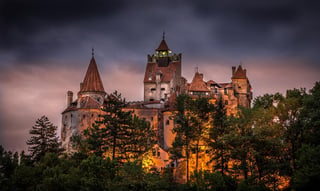
    Bran Castle — often marketed as "Dracula's Castle" — is not part of this tour, nor are other Transylvanian castles. This experience focuses on the documented history of Vlad III in Wallachia. If your priority is visiting Bran, consider DACO's Royal Castles & Dracula's Legend tour.

Before you book

  • Wear comfortable walking shoes. You will cross a footbridge to reach Snagov Monastery and walk on gravel paths in the palace gardens. Sturdy, flat-soled shoes are practical for both locations.

  • Dress respectfully for monastery visits. Snagov Monastery is an active Orthodox site. Shoulders and knees should be covered when entering the church. A light scarf can be useful.

  • Dress for the season. Snagov Lake can feel cooler than central Bucharest, especially in the morning. A light jacket is recommended in spring and autumn. In summer, sun protection is useful for the open lakeside areas.

  • Bring a camera. The island monastery reflected in Snagov Lake and the arcaded loggia of Mogoșoaia Palace are among the most photogenic settings near Bucharest. Photography is permitted outdoors at both sites.

  • Lunch is not included. As a half-day tour, there is no included meal stop. If your tour runs across midday, your guide can recommend a nearby restaurant, but you will pay for what you order.

  • Some areas have uneven surfaces. The footbridge to Snagov Monastery and the garden paths at Mogoșoaia include sections of cobblestone, gravel and irregular paving. Take care when walking, particularly in wet conditions.

  • The itinerary may vary slightly. Traffic conditions in Bucharest, monastery opening hours and seasonal factors can affect the order or timing of stops. Your guide will communicate any adjustments at the start of the tour.

What You Need to Know

Practical information

Clear answers to the questions most travellers ask before booking.

What should I wear?

Comfortable clothing suited to the season. Layers are useful: mornings at Snagov Lake can be cooler than Bucharest. Modest clothing covering shoulders and knees is recommended when entering the monastery church.

What footwear is recommended?

Comfortable walking shoes with flat soles. Most paths are paved, but the monastery footbridge and garden paths include some uneven surfaces — cobblestone, gravel and irregular paving.

How much walking is involved?

Light to moderate. You will walk across the footbridge to the Snagov Monastery island and explore the palace gardens at Mogoșoaia. Neither requires strenuous effort. The pace is relaxed and adjustable.

Is it suitable for children?

Yes, the tour is family-friendly. Children who enjoy stories and historic places tend to find it engaging. The half-day format and light walking make it manageable. Parents should be aware the content covers 15th-century history, including Vlad the Impaler.

What about older travellers?

The tour has few physical demands: mostly easy walking on level ground, with regular opportunities to sit. The pace is flexible and adapted to your comfort. If you can manage light walking and a few steps, you are likely to enjoy the experience.

Are toilets available?

Public toilets are available at Mogoșoaia Palace. Cafés near the palace also have facilities for customers. Facilities at Snagov Monastery are limited; your guide will advise on the best stops along the route.

Where can we buy food and drinks?

Cafés and restaurants are available near Mogoșoaia Palace. Cold water is provided in the vehicle. As a half-day tour, there is no formal lunch stop included, but your guide can point you to nearby options before or after the tour.

Cash or card?

Cards are widely accepted at cafés, restaurants and shops near Mogoșoaia. Carrying a small amount of Romanian Lei is useful for smaller purchases, entrance fees or at locations where card payment is unavailable.

Will I have mobile signal?

Mobile coverage is reliable throughout the route. Snagov, Mogoșoaia and the roads between them are within the greater Bucharest network area. You should have signal at all stops.

Is Wi-Fi available?

Yes. Wi-Fi is available in the vehicle throughout the tour. You can stay connected, share photographs and check information during the drive.

Can I bring luggage?

The tour starts and ends at your hotel, so large suitcases are not needed. A small backpack with a camera, water and personal items is sufficient. The vehicle has space for a small bag per person.

Are there regular comfort stops?

Yes. This is a private tour with a flexible schedule. Your guide will stop whenever practical. The short driving distances between sites mean you are never far from the next opportunity to stretch and take a break.

Can I take photographs?

Photography is welcome outdoors at both Snagov Monastery and Mogoșoaia Palace. Please respect any restrictions inside the monastery church and within the palace museum. Your guide will advise on specific areas where photography may be limited.

Can I fly a drone?

Drone regulations in Romania apply around monasteries, historic monuments and populated areas. Flying a drone near Snagov Monastery or Mogoșoaia Palace may require permission. Check current regulations and obtain any required authorisations before your tour.

Reduced mobility?

Most outdoor areas at both sites are accessible with assistance, though some paths are uneven. The footbridge to Snagov Monastery and the gravel garden paths at Mogoșoaia may be challenging. Contact DACO before booking to discuss your specific needs.

Can dietary requirements be accommodated?

Your guide can recommend cafés or restaurants near Mogoșoaia that cater to your dietary preferences before or after the tour. Lunch is not included, so you choose what to order.

Your Questions, Answered

Frequently asked questions

Honest answers from our team. If you don't see your question here, you are welcome to ask us directly.

What's included

Everything you need for a smooth and authentic experience.

Included

  • Private transportation
  • Professional driver-guide
  • Historical storytelling and local insights
  • Hotel pickup and drop-off in Bucharest
  • Wi-Fi in the vehicle
  • Cold water
  • Flexible stops for photos and breaks

Not included

  • Entrance fees to monuments, museums and attractions
  • Lunch and drinks
  • Personal expenses and souvenirs
  • Tips for the driver-guide, appreciated but not expected
Tour Highlights

What makes this half-day special

Six reasons this tour stays with you long after you return to Bucharest.

Explore Snagov Monastery

A 14th-century Orthodox monastery on an island in Lake Snagov, long associated by local tradition with the burial of Vlad III. The church preserves medieval frescoes in a setting of quiet, wooded isolation.

Discover Mogoșoaia Palace

A masterpiece of Brâncovenesc architecture built by Prince Constantin Brâncoveanu. The elegant palace, loggia and landscaped gardens reflect a unique Romanian synthesis of Eastern and Western traditions.

History Beyond the Legend

Meet Vlad III — the historical voivode — not Count Dracula. Your guide separates documented history from literary fiction, giving you the real story behind one of Romania's most misunderstood figures.

Private Experience

Only your group participates. There is no shared vehicle, no fixed group schedule and no waiting for strangers. The pace adapts entirely to your interests throughout the half-day.

Door-to-Door Convenience

Hotel pickup and drop-off in Bucharest are included. Your driver-guide meets you at your door in a private vehicle. The tour begins and ends where you are staying — no meeting points, no hassle.

Half a Day Through History

Medieval Wallachia, Orthodox monastic tradition and Brâncovenesc architecture — all within a single, unhurried morning. A meaningful escape from Bucharest that leaves your afternoon free.

The Dracula Legacy

5+
4p
3p
2p
1p
€50
€60
€70
€90
€160

* price per person

You may also like

Plan your private tour with DACO

Send us your preferred date, group size and any special requests. Our team will prepare a personalised offer and get back to you shortly.

Included
  • Private transportation
  • Professional driver-guide
  • Historical storytelling and local insights
  • Hotel pickup and drop-off in Bucharest
  • Wi-Fi in the vehicle
  • Cold water
  • Flexible stops for photos and breaks
Not included
  • Entrance fees to monuments, museums and attractions
  • Lunch and drinks
  • Personal expenses and souvenirs
  • Tips for the driver-guide, appreciated but not expected