Hotel Pickup / Meeting Point
Your guide meets you at your hotel or a central Bucharest location.
Today is about discovering everyday Bucharest through its markets,
local traditions and authentic flavours. This is not a rushed
checklist, it is a relaxed, genuine walk through the rhythms of
daily life in the capital.
Understanding a city begins with understanding how its people
live. Your guide sets the context for everything that follows: a
curated introduction to the real Bucharest, beyond the tourist
centre.
Arrival at Obor Market
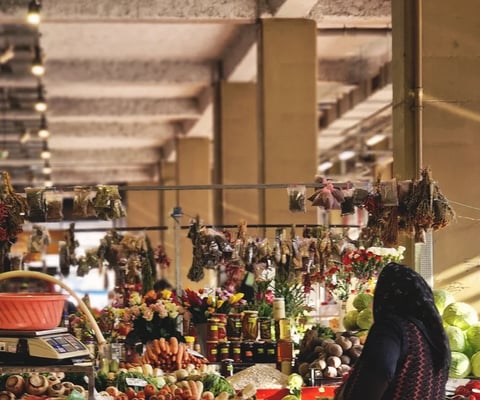
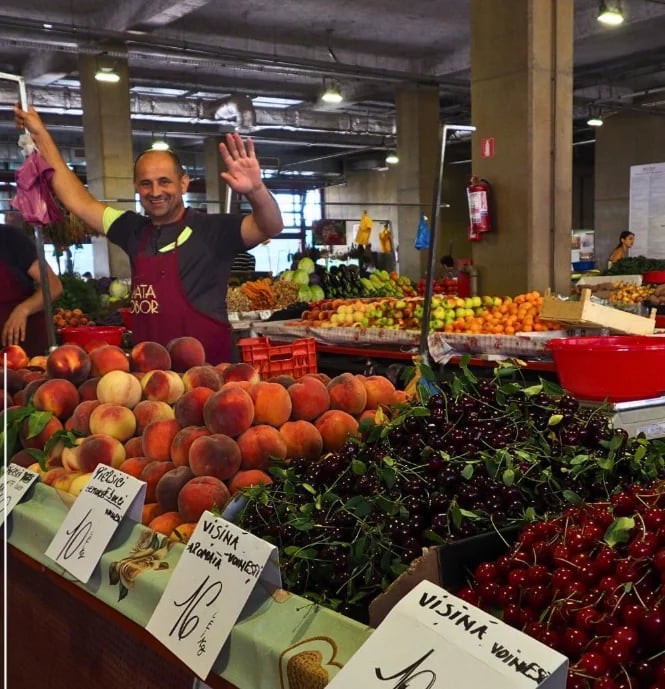
Piața Obor is Bucharest's largest and most iconic traditional
market. Unlike tourist-oriented venues, this is where locals shop
daily, for fresh produce, cheese, cured meats, bread and seasonal
ingredients. The atmosphere is genuine, bustling and unchanged in
spirit for generations.
Did
You Know
Obor has served as one of Bucharest's principal trading areas for
generations. Its name comes from the Romanian word for an
enclosure where cattle were once gathered for sale.
Inside the Market Halls
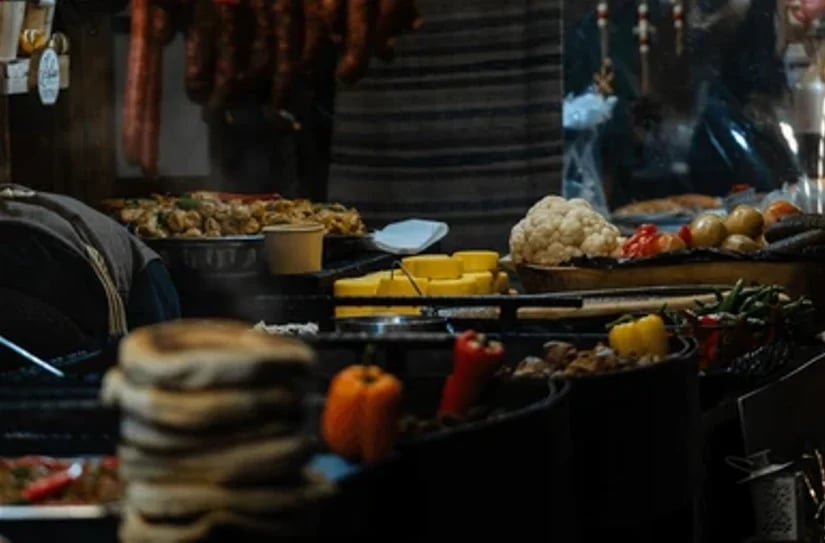
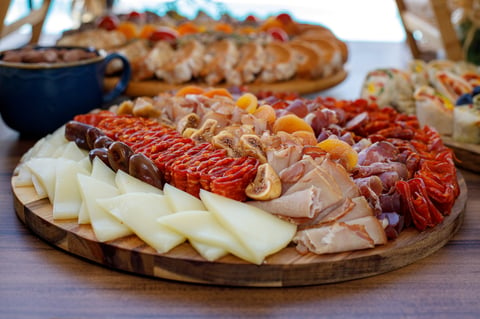
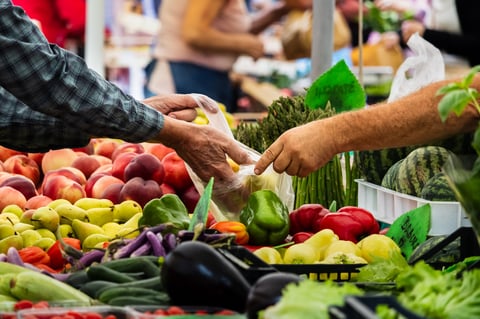
You walk through aisles of fresh produce, artisan cheeses, cured
meats, bakeries, spices and traditional Romanian ingredients. Your
guide explains the food traditions and everyday shopping habits that
shape local life. Everything you see is part of real daily routines
here. Nothing is staged for visitors.
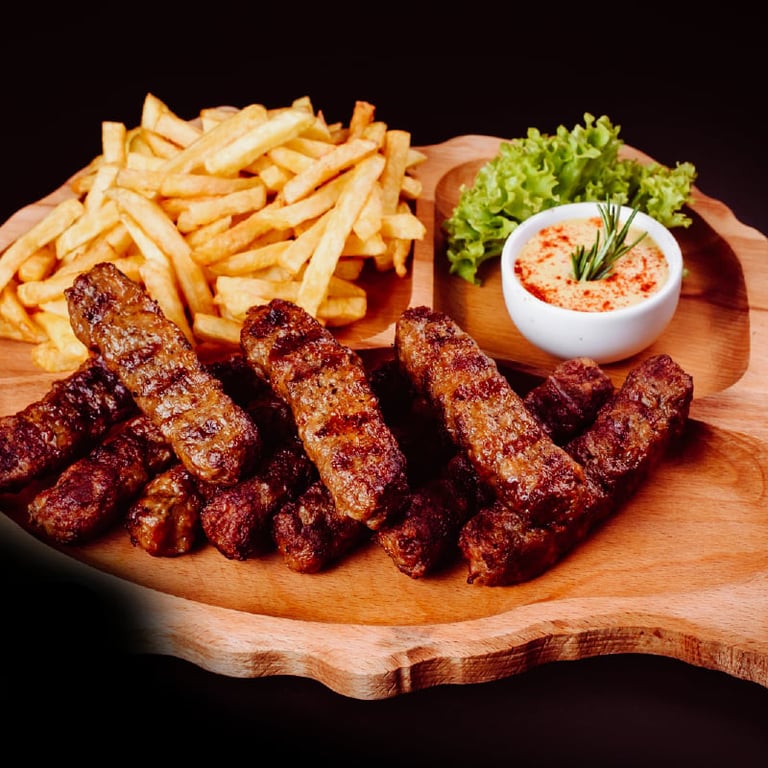
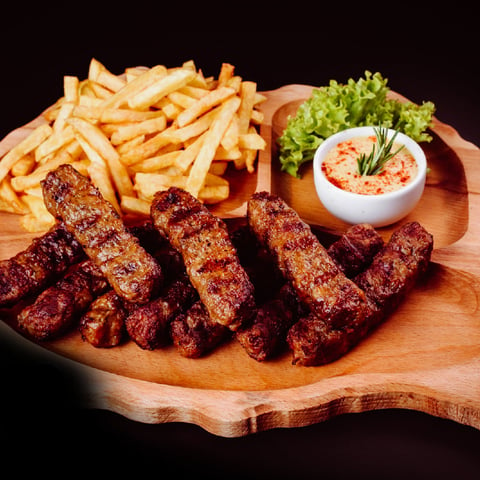
Traditional Romanian Flavours
You continue through the market's food areas as your guide explains
the ingredients behind classic Romanian cuisine. Seasonal produce,
local specialities and regional food culture come alive through the
stalls, the aromas and the conversations of shoppers and sellers
going about their day.
Local Insight
Romanian cuisine is deeply connected to seasonal ingredients and
family traditions. What you see on the stalls changes with the
calendar: spring greens, summer peppers, autumn preserves and
winter smoked meats each tell their own story.
Around Obor
A short walk through the surrounding streets reveals a quieter side
of Bucharest beyond the tourist centre. Neighbourhood life unfolds
around local bakeries, everyday businesses and residential streets
where the city's authentic atmosphere is most palpable.
Photo
Tip
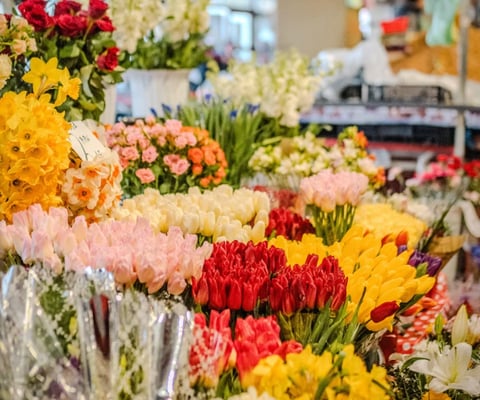
Look for colourful market stalls, traditional shopfronts and
everyday street scenes. The streets around Obor offer some of the
most authentic visual moments in Bucharest: faded facades,
courtyards and glimpses of a quieter city life.
A Slower Pace
There is no rush. Guests are welcome to pause, browse the market at
their own pace, ask questions or purchase local products if they
wish. The experience is intentionally relaxed; this is about
absorbing the atmosphere, not ticking off a list of sights.
The Story Behind the Market
Your guide brings together everything seen during the walk,
explaining how markets remain an essential part of daily life in
Romania despite the growth of supermarkets. This is where
communities connect, traditions endure and the real rhythm of the
city can be felt.
Markets reveal how people really live, cook and connect with their
communities. Understanding Obor means understanding something
essential about Bucharest itself: its resilience, its warmth and
its deeply rooted food culture.
Return to Hotel / End of Experience
The tour returns to where it began. You leave with a deeper
understanding of Bucharest: its food culture, neighbourhoods and
local traditions. Your guide returns you to your hotel or a central
point, leaving the rest of the day yours.
Food is often the easiest way to understand a culture. This
experience offers far more than a market visit; it provides a
genuine introduction to everyday Romanian life, seen through the
people, produce and traditions of its most authentic market.