Leaving Bucharest behind
Private pickup from your Bucharest hotel. As the city recedes, your
driver-guide introduces the route, shares stories and sets the tone
for the day ahead.
Every great road trip starts with anticipation. This is the moment
the experience truly begins.
Into the Argeș Valley
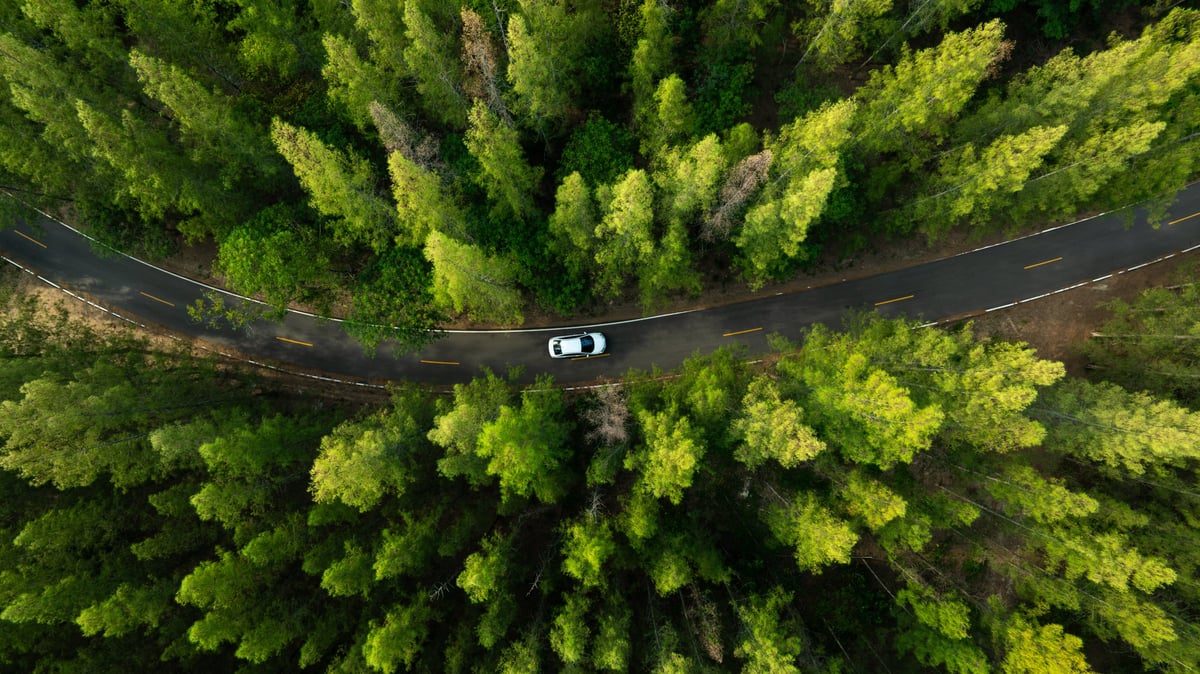
Farmland gives way to forested hills and the first Carpathian peaks
appear. The road grows quieter, the air fresher, a dramatic
landscape shift within hours of Bucharest.
Few capital cities offer this kind of transition, from urban to
alpine, in a single morning.
Crossing the Vidraru Dam
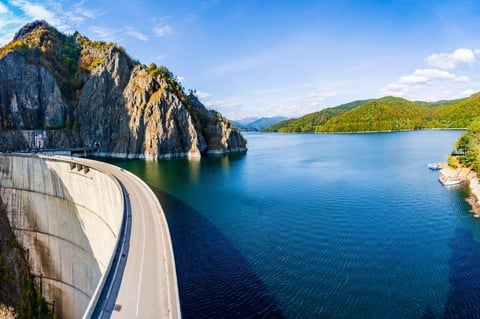
A 166-metre arched dam completed in 1966, held in place by over
250,000 cubic metres of masonry retaining walls. You cross directly
over it, with Lake Vidraru and the mountains opening up on both
sides. A natural place to pause and photograph; this is where the
high mountain section begins.
Photo
Tip
The viewpoints overlooking Lake Vidraru are among the most
memorable on the route.
Beneath Vlad the Impaler's fortress
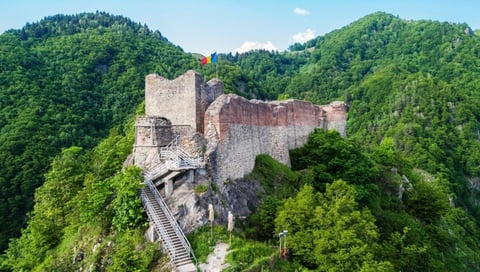
Poenari Fortress, Vlad Țepeș's 13th-century citadel, appears high on
a cliff above the Argeș Valley. Most travellers skip the 1,480-step
climb, but the sight of it against the ridgeline is arresting. Your
guide separates documented history from Dracula legend.
Local Insight
Poenari remains less commercialised than most Dracula landmarks —
ideal for travellers seeking authentic stories.
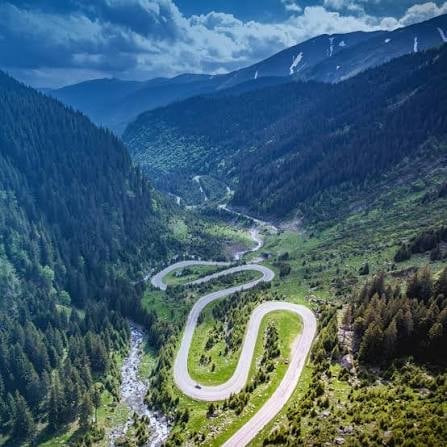
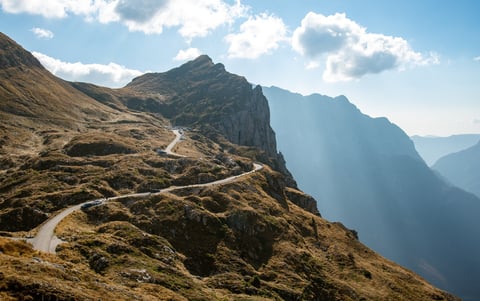
Driving the legendary Transfăgărășan
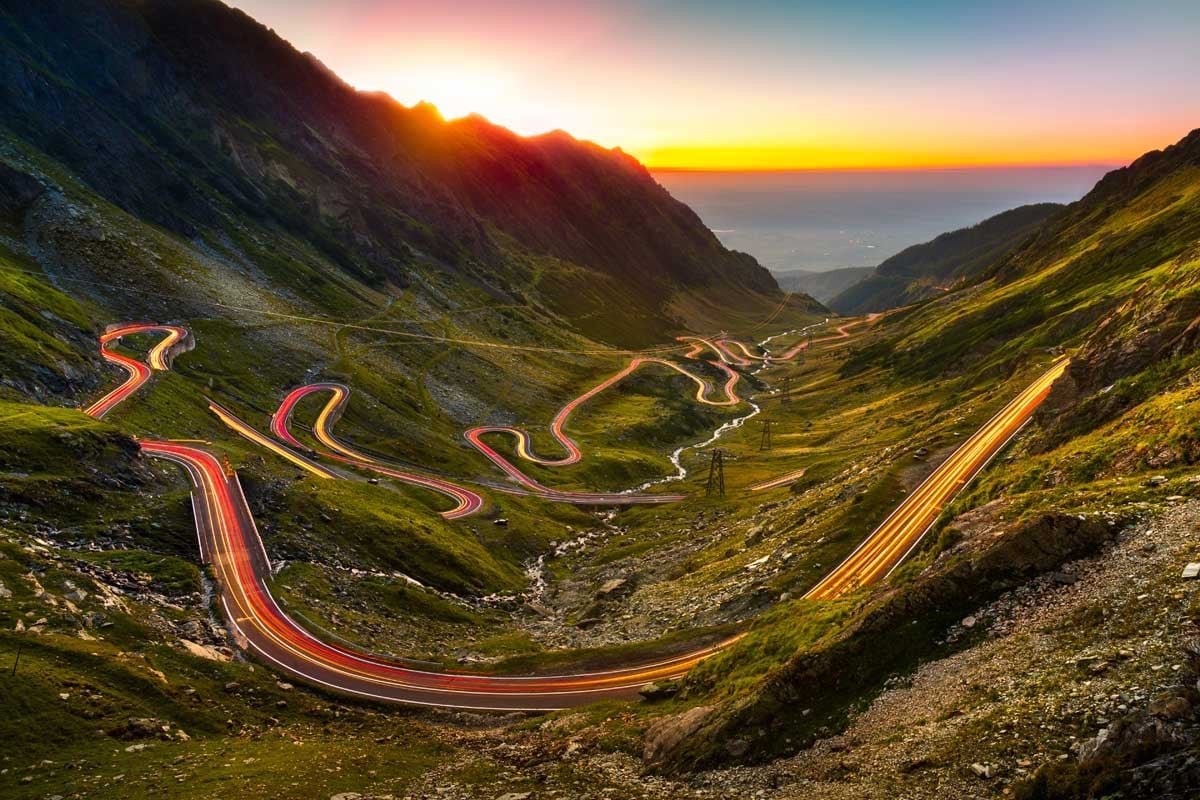
The day's centrepiece. Officially designated DN7C, the
Transfăgărășan was built between 1970 and 1974 as a strategic
military road under Ceaușescu, consuming roughly 6 million kg of
dynamite and costing at least 40 lives. It climbs to over 2,000
metres through hairpin bends, tunnels and viaducts. The road itself
is the destination: each bend reveals sheer cliffs, distant
ridgelines and views as memorable as anything you'll step out to
see. Your guide stops regularly, never rushed.
Photo
Tip
The best photographs often come from smaller, quieter viewpoints,
not just the main stops.
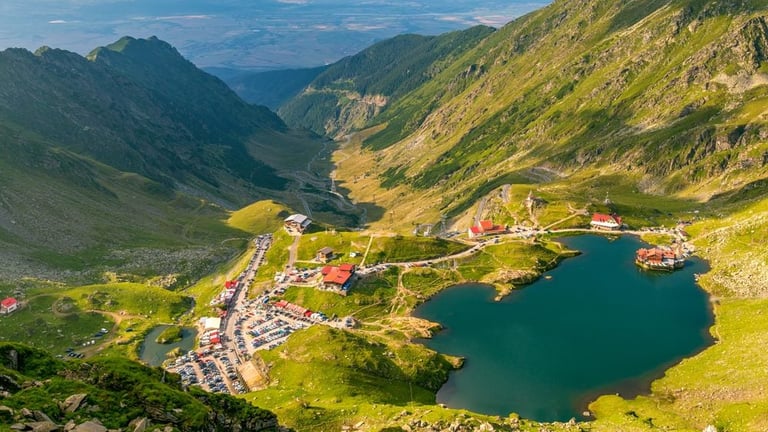
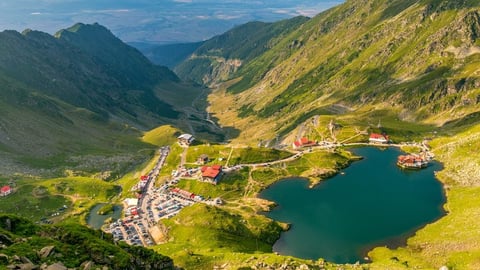
Reaching Bâlea Lake
At 2,034 metres, Bâlea Lake, a glacial lake carved during the last
ice age, is the journey's highest point. The surrounding Făgăraș
range contains Romania's highest peaks, including Moldoveanu at
2,544 m. Rugged peaks surround the water. Time to explore,
photograph and breathe the alpine air. Temperature here is 10–15°C
cooler than Bucharest; a jacket is recommended year-round.
Did
You Know
Snowfall has been recorded here in July. Pack a jacket regardless
of the forecast.
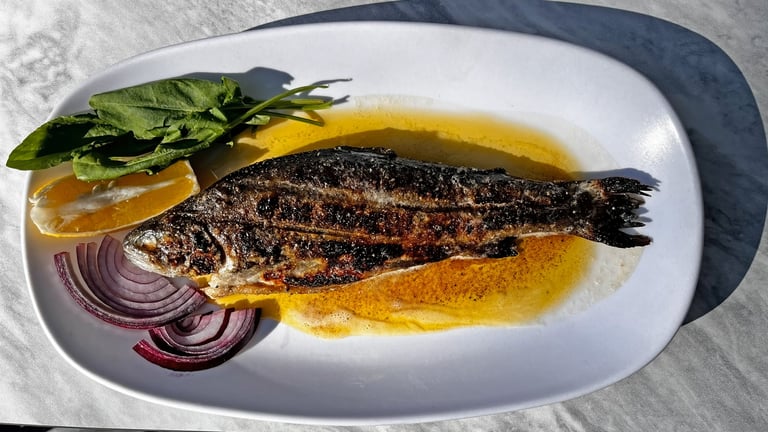
Time to slow down
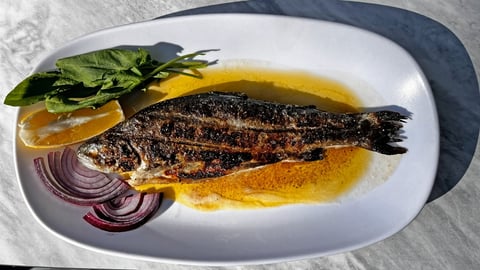
After the summit, the pace relaxes. Your guide knows the best
mountain cabins: grilled trout, polenta, sheep's cheese, cured
meats, fresh bread. Lunch is not included, you order what you want
at your own rhythm. Not a rushed set menu. A proper mountain meal
with a view.
An unhurried meal in a mountain setting, surrounded by the
landscape you came to see; often the memory travellers carry
longest.
Returning with a different perspective
The same road back, transformed by afternoon light. Ridges that
appeared sharp now feel softer. Since BBC's Top Gear featured it in
2009, when Jeremy Clarkson famously declared it "the best road in
the world", the Transfăgărășan has drawn travellers from every
continent. A final chance to absorb the Carpathians before your
guide returns you to your Bucharest hotel in the early evening.
The best journeys are remembered not only for the places visited,
but for how they make you feel.