Leaving Bucharest behind
Private pickup from your Bucharest hotel. As the city recedes, your
driver-guide introduces the route, shares stories and sets the tone
for the day ahead. The landscape shifts gradually: from the
capital's low-rise sprawl into the rolling hills of Prahova County.
Into the Prahova Hills
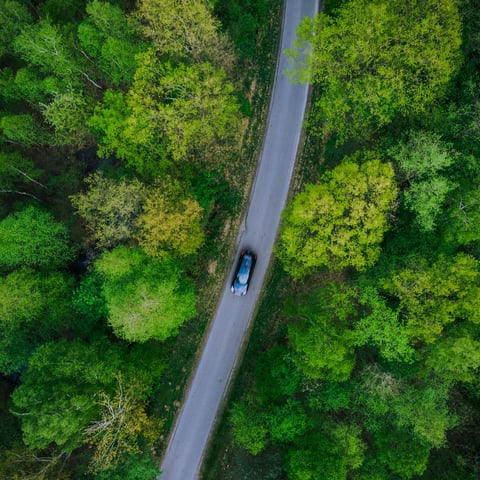
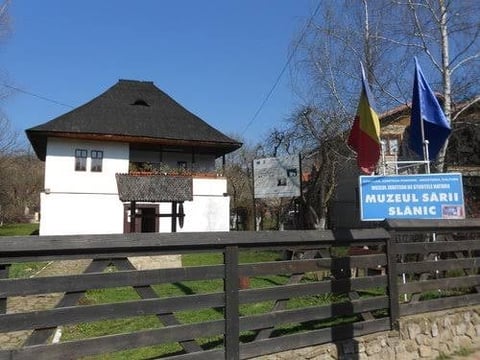
The road winds deeper into Prahova County toward the town of Slănic.
Forested hillsides close in, the air grows fresher and the landscape
reveals one of Romania's oldest salt-mining regions. Centuries of
extraction have shaped both the land and the communities here. Salt
has been one of Romania's most important resources for over two
millennia: medieval rulers funded armies with salt revenues and in
some periods it was used as currency.
Descending into the Salt Mine
A special shuttle takes you down into the depths, following a
winding road carved through the salt: like a mountain road, but
descending inward. The temperature drops to a constant 12°C, the air
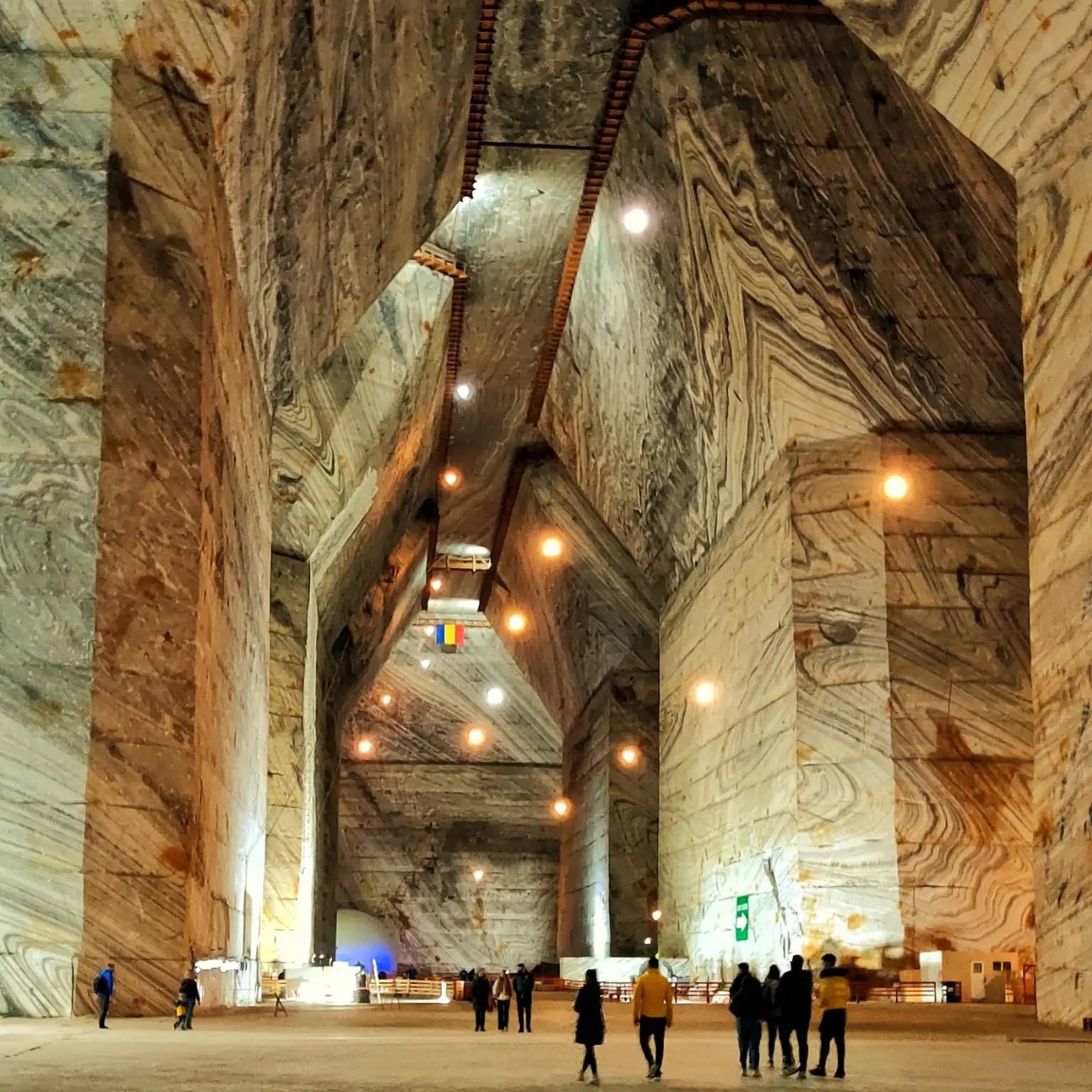
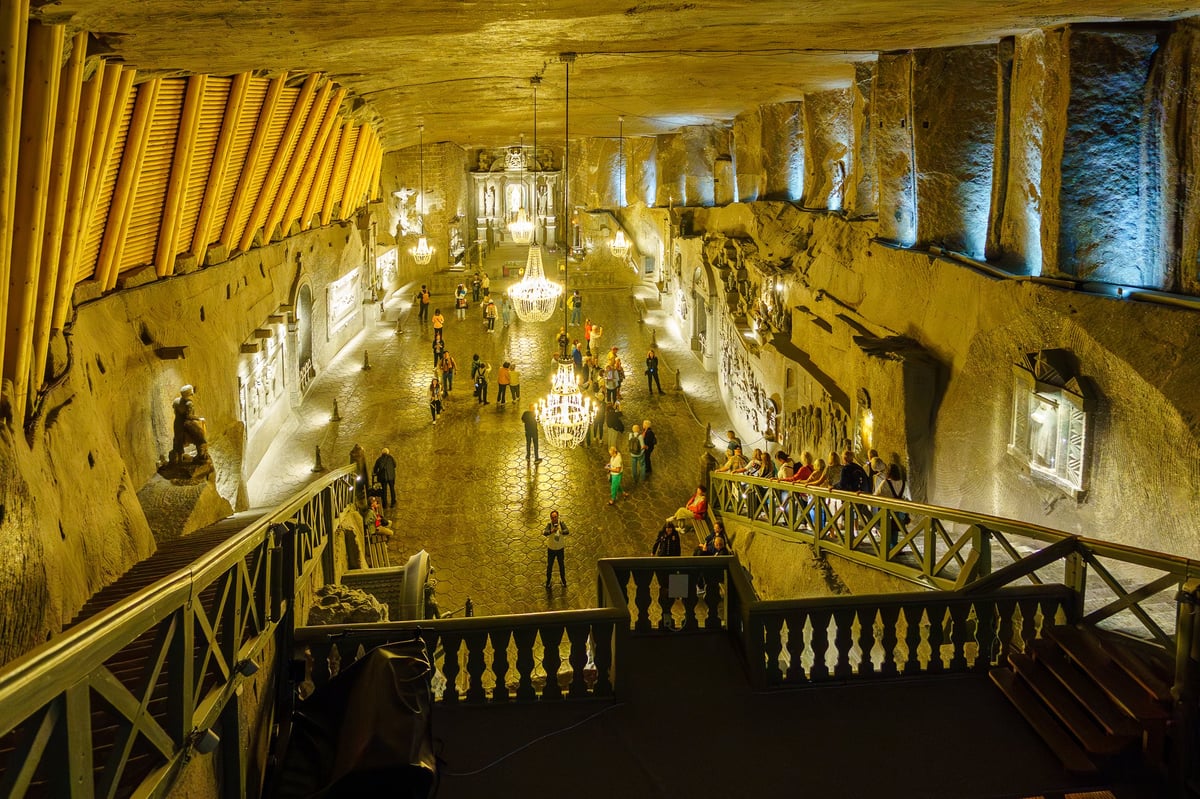
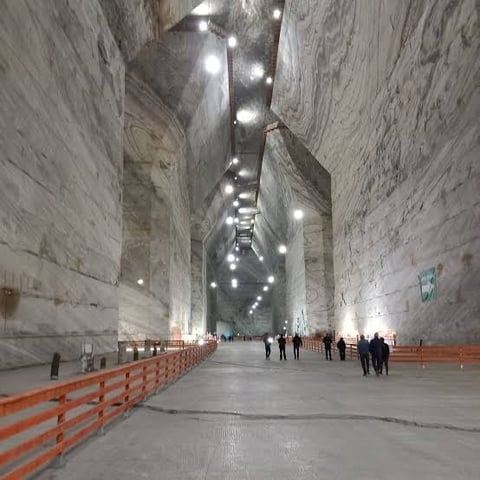
changes and the scale of the chambers becomes apparent. Carved over
decades, the mine opens into vast underground halls with walls of
translucent salt, some reaching heights of over 50 metres.
Slănic Salt Mine is one of the largest in Europe. The moment you
step out of the shuttle and into the cavern, the scale is
unforgettable.
Exploring Slănic Salt Mine
Time to walk through the cathedral-sized chambers. The walls are
etched with the marks of extraction and light plays off the salt
surfaces in unexpected ways. Your guide explains how this mine
operated, what made the Slănic deposit so valuable and how the
underground galleries became both a workplace and a destination.
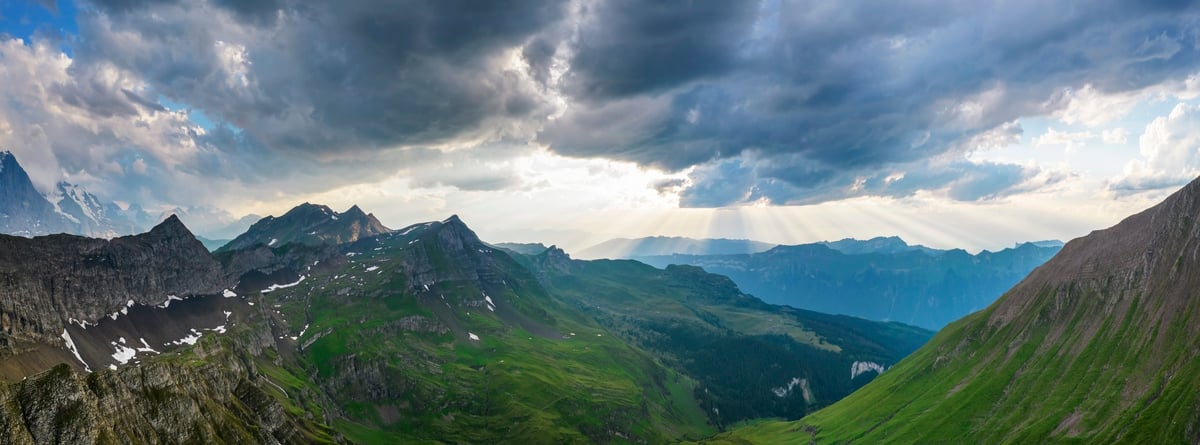
Through the Carpathians
Back above ground, the journey turns north towards Sinaia. The
Bucegi Mountains rise on the horizon: dense forest gives way to
exposed limestone ridges. The drive itself is part of the
experience: narrow valleys, traditional villages and the
unmistakable shift from the mining plains to alpine scenery. Your
guide points out landmarks and tells stories that connect the
landscapes.
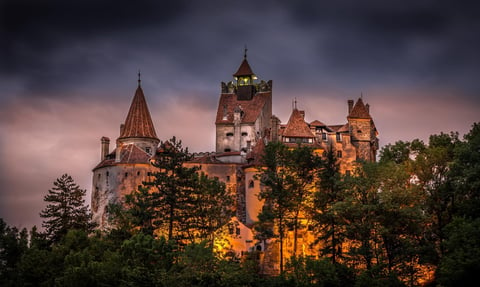
Peleș Castle
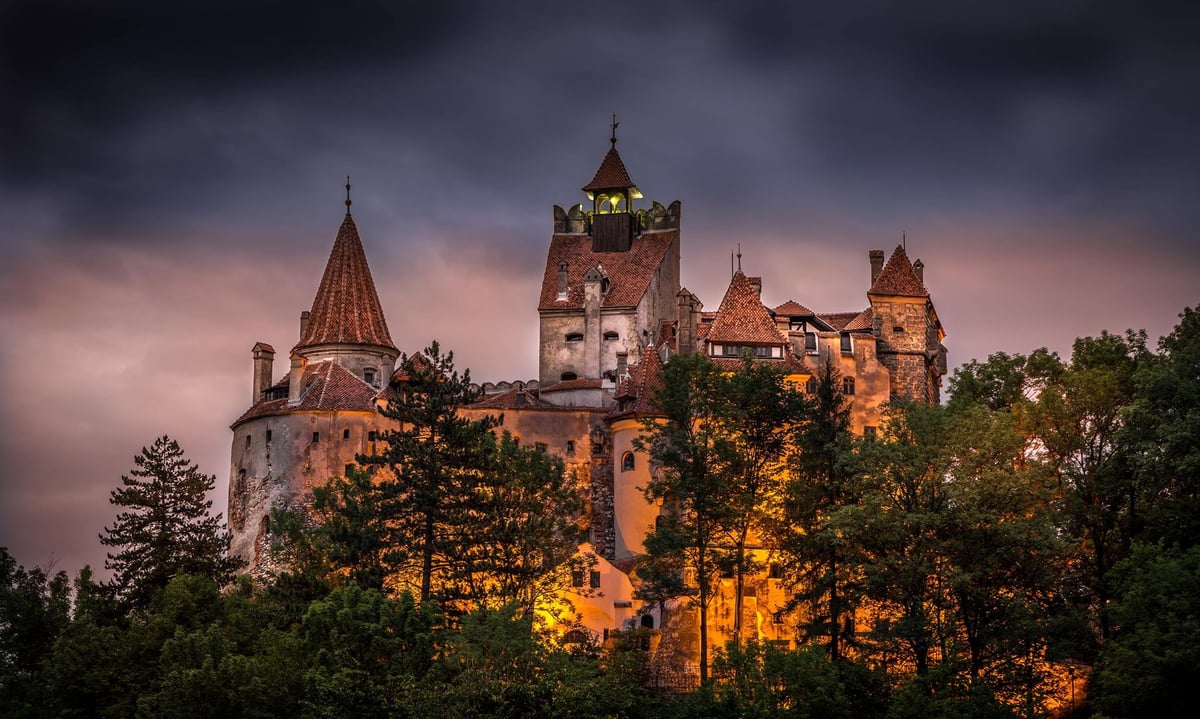
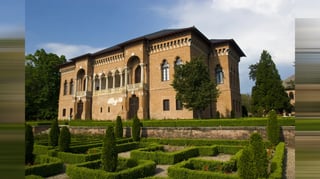
Commissioned by King Carol I and completed in 1914, Peleș was the
first European castle with electricity and central heating. Its
Neo-Renaissance façade rises from the Carpathian forest, a
silhouette that feels both grand and improbable in this mountain
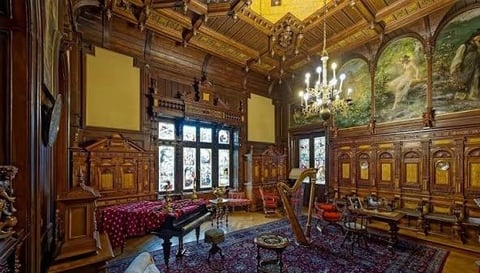
setting. Inside, carved wood panelling, Murano glass, frescoes and a
retractable glass ceiling, each room designed by a different
European workshop, tell the story of a monarchy determined to leave
a mark.
Peleș is widely regarded as one of the most beautiful castles in
Europe. Few royal residences combine architectural ambition with
such a dramatic natural setting. The interior features over 160
rooms, each decorated in a distinct style: from Turkish to
Florentine to Baroque.
Time to Explore
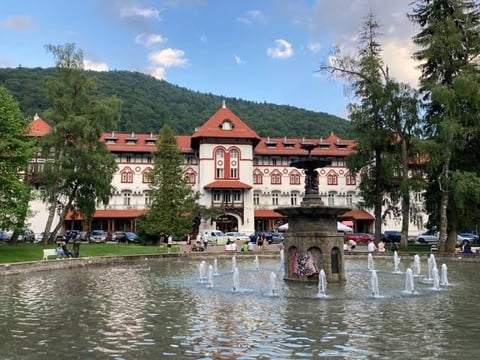
After the castle tour, the pace relaxes. Walk the terraced gardens
with their fountains and statuary, take photographs of the
Carpathian backdrop, or explore Sinaia: a mountain resort town built
around the royal retreat. There is no rush. This is your time to
absorb the atmosphere of a place that has drawn visitors for over a
century.
Journey back to Bucharest
The return drive follows the Prahova Valley south as afternoon light
softens the ridges. It is a quiet stretch: time to reflect on a day
that moved from the depths of a salt mine to the halls of a royal
palace, from underground silence to mountain light, from mining
labour to European craftsmanship. No other day trip from Bucharest
combines such different worlds into a single narrative. Your guide
returns you to your Bucharest hotel in the early evening.
This tour combines two experiences, underground wonder and royal
grandeur, that no other day trip from Bucharest offers. The
contrast is what makes it memorable.