
Romania Travel Knowledge Hub

What to Pack for Romania: A Practical Guide by Season

By DACO Team

Local travel knowledge from DACO Private Travel, Bucharest.

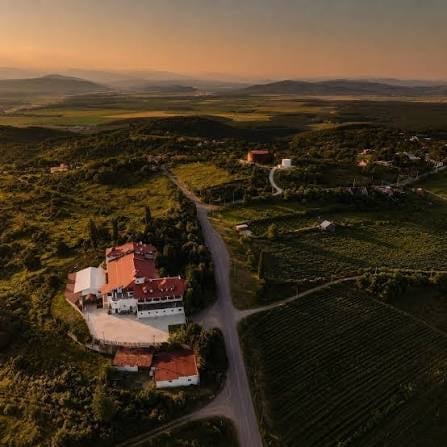
Rows of vineyards stretching across rolling hills in Romania's Dealu Mare wine region on a sunny day

Packing for Romania is not difficult.

But it becomes much easier once you stop packing for Romania and start packing for your actual journey.

A weekend in Bucharest in April is one thing.

A week that includes Brasov, mountain roads and countryside is another.

A summer trip to the Black Sea is not the same suitcase as a summer trip through the Carpathians.

And winter in central Bucharest is not the same experience as winter at altitude.

This sounds obvious.

Yet many travellers pack for an image of the country rather than for the route they are actually taking.

That is how you end up carrying things you never use and missing the one jacket you really needed.

So this is not a universal packing list.

It is a way to think about packing for Romania without turning your suitcase into a small emergency department.

Pack for the journey you are actually taking

Before asking:

“What should I pack for Romania?”

ask:

“Where am I actually going?”

City?

Mountains?

Coast?

Villages?

Several regions?

Long drives?

Restaurants?

Monasteries?

Walking-heavy days?

A mix of all of them?

Because the correct suitcase depends much more on that than on the country name.

Romania contains different climates, elevations and rhythms. A guide like our Romania by Region overview makes that variety easier to picture.

The useful answer is rarely:

“Bring X because Romania.”

The useful answer is:

“Bring X because your itinerary contains this.”

Romanian weather is less predictable than a packing list

This is especially true in spring and autumn.

A packing list wants certainty.

Weather does not care.

You may have sun in the morning, wind later, rain in the afternoon and a completely pleasant evening.

That does not mean Romanian weather is unusually dramatic.

It simply means transitional seasons behave like transitional seasons.

So instead of trying to guess one perfect outfit, think in layers.

Something light.

Something warmer.

Something that handles rain.

Something comfortable enough to keep wearing when the day changes.

Layers are less glamorous than a beautifully planned wardrobe.

They are much more useful.

One jacket can matter more than three extra outfits

People often overpack clothes and underpack weather protection.

If we had to choose, we would usually prefer:

one useful outer layer

over

three additional “maybe” outfits.

A practical jacket can solve:

cool mornings;

wind;

light rain;

evenings;

higher-altitude stops;

unexpected weather changes.

It is the kind of item you may not photograph.

It may still be the most valuable thing in the suitcase.

If your itinerary changes altitude, your suitcase should know it

This matters.

Bucharest weather can feel completely different from a mountain stop on the same day.

So can Brasov compared with a higher road.

If your route includes the Carpathians, mountain viewpoints or high-altitude roads, do not pack only for what the weather app shows in the city where you are sleeping.

Altitude changes the experience.

Wind changes it.

Cloud cover changes it.

A day that begins comfortably in a city may feel very different later.

Local DACO Note

If one day of your trip contains both a city and a mountain, pack for the mountain. The city will forgive you. The mountain will not negotiate.

Do not pack for “Eastern Europe”

This is one of those phrases that creates more confusion than usefulness.

There is no single “Eastern Europe wardrobe”.

Romania has modern cities, formal restaurants, rural guesthouses, mountain roads, coastal resorts and ordinary everyday life.

You do not need some special category of clothing because the country appears in a particular region on the map.

Pack normally.

Then adjust for:

season;

activity;

altitude;

weather;

and the way you personally travel.

That is enough.

Spring in Romania: expect change

Spring can be beautiful.

It can also make packing slightly annoying.

March can still feel wintry in some conditions.

April can be mild, cool, sunny, wet or all of those in the same week.

May is generally more stable, but mountain areas can still feel much cooler than city streets.

For spring, we would think in terms of:

light layers;

a useful jacket;

comfortable closed shoes;

something rain-resistant;

one warmer layer for evenings or higher areas.

Do not assume that because the calendar says spring, every day will feel warm.

And do not panic if the forecast changes.

That is exactly why layers exist.

Summer in Romania: light clothes, but not only light clothes

Summer can be hot.

Especially in Bucharest and lower-altitude urban areas.

For city days, light breathable clothing makes sense.

But summer creates one of the most common packing mistakes:

people stop packing anything warm.

Then the trip includes:

an evening in the mountains;

a higher-altitude stop;

wind;

rain;

or a cooler night.

Suddenly the one sweatshirt left at home becomes very interesting.

Pack for the heat.

Just leave room for the possibility that not every hour will feel like July in Bucharest.

Summer does not mean every evening is warm

This is especially relevant if your journey moves between regions.

A summer evening in central Bucharest and a summer evening in a mountain town are not identical.

Nor are they supposed to be.

If you are moving around the country, keep one light warmer layer accessible rather than buried under the suitcase.

You may not need it.

That is fine.

A useful packing item does not have to be used every day to justify its existence.

Autumn is one of the best arguments for layers

Autumn can be excellent for travelling in Romania. If you are still weighing when to come, our Best Time to Visit Romania guide walks through the seasons in more depth.

But it also rewards flexible clothing.

Early autumn may still feel warm.

Later autumn can become much cooler.

Rain becomes more relevant.

Evenings change.

Mountain conditions change faster.

This is where one rigid packing idea begins to fail.

Think:

comfortable trousers;

layers;

light knitwear;

a weather-resistant outer layer;

shoes you do not mind wearing on damp streets.

Autumn is not the season for suitcase optimism.

Winter in Bucharest and winter in the mountains are different trips

This distinction matters.

A city winter trip may involve:

heated hotels;

restaurants;

museums;

short walks;

taxis;

metro;

indoor spaces.

A mountain winter journey may involve:

longer exposure;

snow;

ice;

wind;

lower temperatures;

and more serious footwear decisions.

Do not see the word “winter” and assume every Romanian itinerary needs expedition equipment.

But do not pack for a mountain journey as though you are only walking between cafés in Bucharest.

The itinerary decides.

Again.

Winter footwear matters more than stylish footwear

You can still dress well.

But if conditions are cold, wet, icy or snowy, the most elegant shoe in the suitcase becomes much less interesting if you cannot walk comfortably in it.

For winter, prioritise:

grip;

warmth;

weather resistance;

comfort.

You can carry another pair for dinner if that matters to you.

There is no rule saying your walking shoes also need to attend every restaurant.

City shoes and mountain shoes are not always the same decision

For many trips, one comfortable pair of shoes is enough.

For others, it is not.

A person spending five days in Bucharest probably does not need serious hiking footwear.

A person combining city walking with mountain trails may.

This is why generic advice like:

“Bring comfortable shoes.”

is technically correct and almost useless.

Comfortable for what?

Ten kilometres on pavement?

A forest trail?

A castle staircase?

Wet cobblestones?

A dinner?

Different journeys create different definitions of comfortable.

Cobblestones have opinions about your shoes

Historic centres look beautiful.

Cobblestones remain indifferent to this fact.

Brasov, Sibiu, Sighisoara and other historic areas can involve uneven surfaces, older paving and plenty of walking.

You do not need specialist equipment.

You do need footwear you can actually walk in.

If you have to choose between shoes that look ideal in photographs and shoes that let you enjoy the city for six hours, we would choose the second pair.

The photograph will survive.

So will your feet.

You probably need less formal clothing than you think

Romania is not unusually formal for travellers.

For most restaurants, cafés, city walks and private tours, smart casual clothing is more than enough.

There are exceptions, of course.

A specific event may have a dress code.

A high-end venue may make you want to dress differently.

But you do not need to pack an entire formal wardrobe for a normal Romanian itinerary.

Most travellers are better served by clothes that move easily between:

day;

dinner;

walking;

travel.

Versatility saves suitcase space.

Churches and monasteries: modesty without overthinking it

Romania has many active Orthodox churches and monasteries.

If you visit them, dress with reasonable respect for the setting.

You do not need to treat every visit like a complex dress-code exam.

The basic principle is simple:

avoid clothing that is excessively revealing;

be respectful;

observe local signs or instructions;

remember that you are entering a functioning religious space, not only a tourist attraction.

If a particular site has specific requirements, follow them.

Common sense usually gets you most of the way.

Rural areas do not require “rural clothes”

You do not need to dress like a different person because you are visiting a village.

Wear practical, respectful clothing.

That is enough.

Travel occasionally creates the strange idea that visitors need to costume themselves according to the setting.

You do not.

Comfortable everyday clothing works.

If you are visiting farms, walking on unpaved surfaces or spending time outdoors, choose accordingly.

But the village does not require a theme.

What to wear for a private tour

Whatever allows you to enjoy the day.

That sounds almost too simple.

But it matters.

Private tours can involve a combination of:

driving;

walking;

castles;

city centres;

restaurants;

viewpoints;

churches;

weather changes.

The most useful clothing is usually adaptable. If you are curious what a private tour day actually looks like in practice, it is less a single outfit than a series of small transitions.

If the itinerary includes a special venue, your guide or travel planner should tell you.

Otherwise, dress for the actual activities.

A private tour is not a fashion test.

What to pack for long driving days

If you are travelling by car for several hours, comfort matters more than people expect. For the bigger picture on routes and road realities, see our Driving in Romania guide.

Choose clothing that remains comfortable when seated.

Keep a warmer layer accessible.

Do not bury everything useful at the bottom of the luggage.

A small day bag can make a long road day much easier.

Useful items might include:

water;

sunglasses;

medication;

charger;

light jacket;

documents;

anything you actually need during the day.

You should not have to unpack the car every time the weather changes.

Keep one useful layer outside the suitcase

We like this rule.

When travelling between regions, do not place every layer inside the largest suitcase buried under everyone else’s luggage.

Keep one useful piece accessible.

Especially on:

mountain days;

long transfers;

variable-weather days.

Local DACO Note

The difference between “I packed it” and “I can actually reach it” becomes surprisingly important when the temperature drops at a viewpoint.

What you can easily buy after arrival

This is important because packing lists often behave as though Romania has no shops.

It does.

If you forget ordinary toiletries, basic clothing, an umbrella or another everyday item, you can usually buy it.

In larger cities, finding everyday products is straightforward.

So do not pack with the anxiety that every forgotten item creates a crisis.

Pack the things that are specific to you.

Buy the ordinary things if you need them.

This also helps avoid dragging half your bathroom across Europe.

What we would not waste suitcase space on

Usually:

too many “just in case” outfits;

large quantities of basic toiletries you could buy locally;

several pairs of shoes with nearly identical purposes;

formal clothes for a trip with no formal plans;

heavy specialist gear for activities you are not actually doing.

The phrase:

“Maybe I’ll need it.”

has filled many suitcases.

Sometimes correctly.

Often not.

A good question is:

“What part of my itinerary requires this?”

If the answer is nothing, reconsider it.

Do not bring hiking equipment because Romania has mountains

Romania has mountains.

That does not mean your trip is a hiking trip.

If you are doing serious mountain walking, pack accordingly.

If you are driving to a viewpoint, taking a cable car where available, visiting a mountain town or doing a gentle walk, your needs are different.

Do not let the existence of the Carpathians transform your luggage into an expedition.

Pack for the activity.

Not the map.

But do take mountain plans seriously if you actually have them

The opposite is also true.

If your itinerary includes proper hiking, mountain terrain or extended outdoor activity, generic city clothing may not be sufficient.

Footwear.

Weather protection.

Layers.

Water.

Sun protection.

Navigation.

Relevant equipment.

All become more important.

This is the point where packing should stop being casual.

If the mountain is part of the itinerary rather than a backdrop, respect it.

Rain does not require an entirely different suitcase

A compact umbrella or useful rain layer can solve most urban travel situations.

You do not need to pack as though rain is a separate holiday.

Unless your itinerary includes serious outdoor activity, keep it simple.

Romania continues operating when it rains.

So can you.

Sometimes the correct response is not a new outfit.

It is a jacket.

Sun protection matters beyond the beach

Travellers sometimes associate sun protection only with seaside trips.

But summer days can involve long periods outdoors in cities, vineyards, countryside and mountain areas too.

Sunglasses.

Sun protection.

A hat if you use one.

Water.

Simple things.

You do not need to be at the Black Sea before the sun becomes relevant.

A small day bag is often more useful than a larger suitcase

Once you arrive, most of the suitcase stays at the hotel or accommodation.

The thing you actually live with during the day is often the smaller bag.

Make that one useful.

Not enormous.

Just large enough for what the day requires.

A jacket layer.

Water.

Documents.

Phone accessories.

Medication.

Small purchases.

If the day bag is comfortable, the entire trip tends to feel slightly easier.

This is not dramatic travel advice.

It works anyway.

Medication belongs in the part of your luggage you control

If you rely on medication, keep essential quantities accessible and follow the relevant airline and travel requirements.

Do not casually place something essential somewhere you cannot reach for hours.

And if you have specific medical needs, plan around those rather than a generic packing article.

No destination is worth improvising with medication.

Chargers and adapters: check the device, not only the plug

Romania uses the common European two-pin plug formats and a 230V electricity supply.

For many European travellers, nothing changes.

Visitors from countries using different plug standards may need an adapter.

But plug shape is only part of the question.

Check whether your device supports the local voltage before using it.

Many modern phone and laptop chargers do.

Some appliances may not.

A cheap plug adapter does not change voltage.

This is especially worth remembering with high-powered personal appliances.

You do not need much cash in your suitcase

This is less about clothing and more about what not to carry.

Card payments are common in many urban and tourism environments.

Cash can still be useful in smaller places or specific situations.

But carrying a large amount of cash simply because you are travelling to Romania is generally unnecessary.

Bring or withdraw what makes sense for the journey.

Do not turn your wallet into a travel anxiety project.

Leave room in the suitcase

Not only for souvenirs.

For movement.

A suitcase that closes only after someone sits on it is impressive exactly once.

Then you have to repeat the performance every two days.

If you are travelling between several hotels, this gets old quickly.

A little empty space makes packing and repacking easier.

And if you happen to buy wine, food products, crafts or something else along the way, you will be grateful for it.

Repacking every morning is a warning sign

This is partly a packing problem and partly an itinerary problem.

If you change accommodation constantly, even a perfectly packed suitcase becomes annoying.

Open.

Close.

Carry.

Load.

Unload.

Repeat.

If the trip feels increasingly like luggage management, the route may be too fragmented.

This connects directly with our broader advice about how many days you actually need in Romania.

Good itinerary design and good packing are surprisingly related.

Both are about removing unnecessary friction.

A seven-day trip does not require seven completely different outfits

Laundry exists.

Rewearing clothes exists.

Nobody in Romania is tracking whether you wore the same trousers on Tuesday and Friday.

This may sound obvious.

Suitcases suggest otherwise.

If you prefer different outfits every day, bring them.

But do not confuse preference with necessity.

Travel is easier when your clothing can work in combinations.

Packing for photographs can quietly become its own itinerary

There is nothing wrong with caring about how you look.

Travel photographs matter to people.

But if every destination requires a different planned outfit, the clothes begin to dictate the trip.

You arrive.

Change.

Photograph.

Change again.

Carry the previous outfit.

Repeat.

If that is genuinely part of the experience you enjoy, fine.

If not, simplify.

Romania will still look like Romania if you wear the same jacket twice.

What we would pack for a first trip across several regions

Not an exact list.

A system.

Comfortable walking shoes.

A second pair only if it serves a different purpose.

Layers.

A useful outer layer.

Clothing that works for both casual day use and normal restaurants.

Weather protection appropriate to the season.

A small day bag.

Sun protection when relevant.

Personal medication.

Chargers and adapters if required.

Documents.

Then adjust based on the itinerary.

Mountain activity?

Add what the activity genuinely requires.

Formal event?

Add formal clothing.

Beach?

Add beach items.

Winter mountain stay?

Change the footwear and insulation completely.

The point is not to pack less at all costs.

It is to pack deliberately.

The suitcase should know where you are going next

This becomes useful on multi-region journeys.

If tomorrow is a city day, prepare for the city.

If tomorrow is a mountain day, make the mountain layer accessible.

If tomorrow is a long drive, keep comfort items outside the main luggage.

A small amount of organisation the night before can remove a surprising amount of morning irritation.

This is the same principle we use in travel planning generally.

Organise the complexity early enough that you do not have to experience it later. If a longer, more layered journey is starting to feel heavy to organise, that is also the point at which our concierge becomes genuinely useful — not for packing itself, but for the itinerary underneath it.

Common questions

Frequently Asked Questions

If we could give you one packing rule

Do not pack for every possible version of the trip.

Pack for the version you are actually taking.

Then leave enough flexibility for weather, altitude and one or two surprises.

Romania does not require a special traveller uniform.

It requires a little attention.

If your journey is mostly urban, pack for walking and city life.

If it reaches the mountains, respect the mountains.

If it moves between both, build the suitcase around layers.

And if you forget something ordinary?

Buy it here.

The purpose of packing is not to eliminate every possible inconvenience before you leave home.

It is to make the journey easier once you arrive.

Pack for the journey you are actually taking, not for an abstract idea of Romania.

That usually gets you much closer to the right suitcase.

DACO Team

Local travel knowledge from DACO Private Travel, Bucharest.

Romania, Privately Arranged.

Still shaping your Romania itinerary?

Tell us where you are going, when you are travelling and how you prefer to experience Romania. Once the journey makes sense, preparing for it becomes much easier too.

Plan My Trip