
Romania Travel Knowledge Hub

Bucharest Food Guide: Where and How to Eat Like You Understand the City

By Neli Budeanu

Co-founder, DACO Private Travel · Former hospitality professional in Bucharest

Local travel knowledge based on living in Bucharest, working in hospitality and helping organise journeys for international visitors.

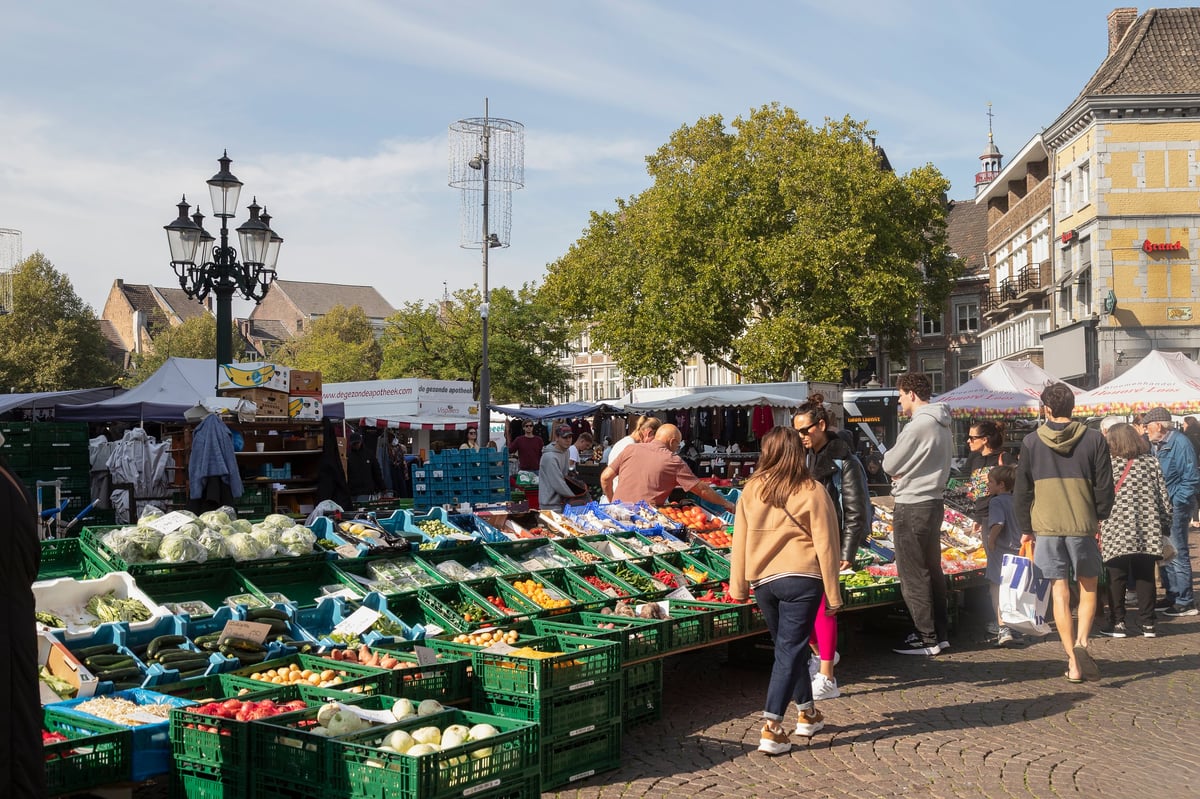
Bucharest food market with a fruit and vegetable stall of fresh seasonal produce and people shopping at market stalls

There is an easy way to eat badly in Bucharest.

Search for "traditional Romanian restaurant", choose the most visible place in the most tourist-heavy street, order every famous dish you recognise from a travel guide and repeat the process the next day.

You will certainly eat Romanian food.

You may not understand very much about how Bucharest actually eats.

The city is more interesting than that.

There are traditional restaurants and neighbourhood kitchens. Markets and bakeries. Grills and wine bars. Speciality coffee and contemporary restaurants. Old recipes and new interpretations. Food designed for celebrations and food people buy on the way home from work.

If you want to understand Bucharest through food, experience more than one of those worlds.

The Short Answer: What Should You Eat in Bucharest?

For a first visit, try a few Romanian classics rather than attempting the entire national cuisine in one meal.

A useful introduction might include:

  • a ciorbă;
  • mici;
  • sarmale;
  • mămăligă;
  • Romanian cheese;
  • seasonal vegetables and pickles;
  • papanași if you still have room.

But the dishes themselves are only half the story.

For a deeper explanation of what these foods are and how Romanians actually eat them, read our Romanian Food Explained guide.

In Bucharest, the more useful question is:

Where and in what context should you try them?

That is what this guide is about.

Experience Best for Where Local advice
Traditional Romanian meal First introduction to Romanian cuisine Across central Bucharest and beyond Do it once properly rather than ordering traditional food at every meal
Market visit Everyday food culture Obor Go for ingredients and atmosphere, not only photographs
Mici Informal Romanian food Markets, grills, casual venues Mustard matters more than presentation
Contemporary dining Understanding modern Bucharest Central and northern neighbourhoods Do not assume Romanian dining stopped at traditional recipes
Old Town dinner Convenience and atmosphere Lipscani / Old Town Choose carefully rather than avoiding the area completely
Coffee and breakfast Modern urban Bucharest Throughout central neighbourhoods This is contemporary city culture, not necessarily traditional breakfast
Romanian dessert Curiosity and appetite Traditional restaurants and bakeries Sharing papanași is sometimes a very sensible decision
Romanian wine Regional discovery Restaurants, wine bars or wine country Ask where the wine comes from, not only whether it is Romanian

Where Should You Eat in Bucharest?

There is no single correct neighbourhood.

Where you should eat depends on the meal you want.

If you want a convenient Romanian dinner after sightseeing, central Bucharest makes sense.

If you want nightlife with your meal, Old Town may be useful.

If you want to explore food culture rather than simply sit in a restaurant, go to a market such as Obor.

If you want contemporary Bucharest, explore beyond the historic centre.

And if you have already eaten a substantial Romanian lunch, nobody is requiring you to prove your cultural commitment again at dinner.

Have whatever sounds good.

This is a city, not a culinary examination.

Start With One Proper Romanian Meal

For many visitors, a traditional Romanian restaurant is the obvious first choice.

That makes sense.

Just do not make it the only choice.

Traditional Romanian menus often contain substantial dishes. Soups. Grilled meats. Slow-cooked dishes. Mămăligă. Cheese. Pickles. Rich desserts.

Ordering several of the most famous ones simultaneously can turn curiosity into endurance.

I would rather choose one good introduction.

Start with a ciorbă if you want one of the most characteristic parts of Romanian everyday food. Choose a main dish that actually interests you. Pay attention to what comes beside it. And decide whether you still want dessert after eating rather than before.

This sounds obvious.

Papanași have defeated more confident plans.

What Is the Best Romanian Food to Try First?

There is no compulsory first dish.

But different foods explain different things.

Ciorbă introduces you to Romania's relationship with sour soups.

Mici belong to a more informal world of grills, markets and casual eating.

Sarmale connect more naturally with traditional meals and celebrations.

Mămăligă appears beside many different foods rather than existing as one spectacular standalone dish.

Romanian cheeses are worth more attention than most international visitors initially give them.

Papanași explain why asking to "just see the dessert menu" can be a tactical error.

For the food itself, our Romanian Food Explained guide goes much further.

Here, I would make a simpler recommendation:

Do not order something merely because somebody online called it mandatory.

Taste is allowed to remain personal.

Go to Obor Market If Food Actually Interests You

A restaurant gives you the finished plate.

A market shows you what existed before the plate.

That is why Obor is useful.

Piața Obor is a working market in Bucharest, not a culinary exhibition constructed for visitors.

You may encounter vegetables and fruit, cheese, dairy products, meat products, bread, herbs, pickles and the ingredients people actually buy for home.

The exact experience changes with the season.

That is part of the point.

A tomato in summer tells a different story from a cabbage in winter.

A market also shows something restaurants can hide:

food is logistical.

People compare. Carry. Queue. Choose. Discuss quality. Know particular sellers. Reject one product and buy another.

This everyday side of food culture is difficult to understand from a tasting menu.

Is Obor Market Worth Visiting?

If food, markets or everyday city life interest you, yes.

If you dislike crowded commercial environments and only want a beautifully arranged food experience, perhaps not.

Obor is useful precisely because it is functional.

People are shopping. Deliveries happen. Stalls are working.

Some areas are visually appealing. Others simply look like a market doing its job.

That is more interesting to us than pretending the entire place exists for tourism.

Give yourself enough time to walk rather than rush through looking for one famous thing to photograph.

And remember that the market is made for customers first.

If you want to photograph an individual vendor closely, asking is simply good manners.

For current opening information and access, check the official Obor Market visitor information before going.

Yes, You Can Eat Mici at the Market

For many international visitors, mici become one of the most memorable Romanian foods precisely because they are so uncomplicated.

Grilled meat. Mustard. Bread. Perhaps a drink. No elaborate explanation is required.

But context still helps.

Mici are not interesting because somebody has elevated them into fine dining. They are interesting because they belong naturally to informal Romanian eating.

Markets. Grills. Terraces. Outdoor gatherings.

A dish does not need to be elegant to be culturally useful.

Sometimes the smoke tells you more than the plating.

Is Bucharest Old Town Good for Food?

Yes — with judgement.

The advice "never eat in the Old Town" is too simplistic.

There are perfectly worthwhile places to eat there.

There are also restaurants whose main competitive advantage is simply that thousands of visitors walk past the door.

That happens in tourist centres everywhere.

Old Town works particularly well when you want:

  • convenience;
  • a lively atmosphere;
  • dinner after sightseeing;
  • terraces;
  • bars and restaurants close together;
  • somewhere active later in the evening.

It is less useful if your only criterion is "Where would you go specifically for the best possible meal?" Then I would broaden the search.

Our Bucharest Old Town Guide explains why the district is worth visiting without pretending it represents the whole city.

The same applies to its restaurants.

How Do You Choose a Restaurant in Old Town?

Walk before sitting down.

That alone solves more than you might expect.

You have considerable choice within a small area.

Look at the menu. Does it seem to know what kind of restaurant it wants to be? Can the staff explain the dishes? Are you choosing the restaurant because you want that meal or because you happened to stop moving in front of it?

A very large menu serving several unrelated cuisines is not automatically bad. A small menu is not automatically excellent. A room filled with locals is encouraging but not definitive. Thousands of reviews can be useful but should not replace judgement.

There is no magic indicator.

What helps is remembering that you have options.

You rarely need to sit at the first terrace someone points toward.

Leave Old Town for at Least One Meal

This is one of the easiest ways to understand Bucharest better.

The city does not eat only inside Lipscani.

Move north along Calea Victoriei. Explore around Piața Amzei and Piața Romană. Depending on where you are staying, neighbourhoods such as Dorobanți, Floreasca or Cotroceni may show you entirely different kinds of restaurants and cafés.

You do not need to transform the journey into a restaurant expedition.

The point is simply to see that contemporary Bucharest has developed its own dining geography.

Tourist centre. Business districts. Residential neighbourhoods. Market areas. Nightlife. Coffee streets. Restaurant destinations. Different reasons bring people to each one.

Traditional Romanian Food Is Only One Side of Bucharest

This deserves saying clearly.

If you eat only traditional Romanian food during your visit, you will understand one important part of the country. You will not fully understand modern Bucharest.

People living here also eat pasta. Sushi. Burgers. Middle Eastern food. Asian food. Modern Romanian dishes. Pastries. Brunch. Salads. Steak. Pizza. Fine dining. Whatever opened recently and everyone wants to try.

Cities absorb food. That does not make them less Romanian. It makes them cities.

A contemporary Bucharest restaurant interpreting Romanian ingredients differently can tell you just as much about the country today as a traditional dining room reproducing recipes people have eaten for generations.

They answer different questions.

Try both if you have time.

Do Not Confuse "Traditional" With "Good"

The word traditional is useful.

It is not a quality certificate.

A restaurant can cover walls with folk objects, put embroidered fabric everywhere, play Romanian music and still serve an ordinary meal.

Another restaurant may look contemporary and treat traditional ingredients extremely well.

Judge what reaches the table.

Does it taste good? Does the menu make sense? Does somebody appear to care? Can the restaurant tell you what you are eating? Would you want to come back if the decorative theme disappeared tomorrow?

Those questions are more useful than counting wooden objects on the wall.

What About "Authentic Romanian Food"?

We use that word cautiously.

Food does not become authentic because it is served on pottery. And Bucharest food does not become inauthentic because a chef changed the presentation.

A grandmother's recipe can be real. A market lunch can be real. A modern reinterpretation can also be real. A neighbourhood bakery selling something people buy every morning is certainly real.

Instead of asking "Is this authentic?", I would ask:

What does this place actually represent?

That question produces much better travel decisions.

Bucharest Has a Serious Coffee Culture

The coffee side of Bucharest surprises some visitors.

Central and residential neighbourhoods contain a large number of contemporary cafés and speciality coffee shops.

This is not necessarily "traditional Romanian coffee culture". It is modern urban Bucharest.

And that distinction matters.

You can spend the morning learning about historic Romania and then drink a carefully prepared coffee in a minimalist café full of people working on laptops.

Both things belong to the same city.

Travel writing sometimes has difficulty allowing places to be contemporary. Bucharest does not.

What Should You Have for Breakfast in Bucharest?

Whatever makes sense for the day ahead.

Hotel breakfast. Pastry and coffee. Eggs. A modern brunch. Something from a bakery. There is no single compulsory "Romanian breakfast" every visitor needs to locate.

At home, Romanian breakfast traditions vary enormously by family, generation and lifestyle. Urban café breakfasts are another thing entirely.

If somebody presents one beautifully styled brunch plate as the definitive way Romanians eat breakfast, be suspicious of the word definitive.

For visitors, the practical rule is better:

Eat enough for the morning you have planned.

A four-hour walking day and a slow Sunday require different breakfasts.

Bakeries Deserve a Place in the Trip

Not every food experience needs a reservation.

A bakery can be much more useful.

Romanian cities have a strong culture of bread, pastries and baked snacks, although what you encounter varies enormously between traditional bakeries, commercial chains and contemporary artisan operations.

Stop when something looks good.

This is particularly useful on travel days.

Coffee. Pastry. Continue.

A food guide that requires every eating experience to become an event misunderstands how people actually eat.

Can Vegetarians Eat Well in Bucharest?

Yes, although traditional Romanian restaurant menus can appear quite meat-heavy.

Look beyond the grill section.

Romanian cooking also includes:

  • beans;
  • vegetable soups;
  • zacuscă;
  • mushrooms;
  • salads;
  • vegetable dishes;
  • mămăligă;
  • seasonal produce;
  • various dishes traditionally prepared during Orthodox fasting periods.

One particularly useful Romanian phrase is:

de post.

Romanian Orthodox fasting traditions have created a well-understood category of food prepared without animal products. That can be helpful for vegetarian and vegan travellers.

But do not assume the phrase solves every dietary requirement automatically.

If you have strict preferences, ask specifically about ingredients.

Contemporary Bucharest restaurants also provide far more vegetarian and vegan choice than a visitor looking only at traditional menus might assume.

What If You Have a Serious Food Allergy?

Communicate it clearly.

Do not rely only on recognising the name of the dish.

Ask about ingredients and preparation.

If the allergy is serious, say so explicitly rather than presenting it as a preference.

A dish that appears straightforward may include stock, sauces, dairy, nuts, flour or other ingredients that are not obvious from its name.

This is not unique to Romania. It is simply sensible travel behaviour anywhere language and recipes may differ from what you know.

Is Romanian Food Heavy?

It can be.

Especially if you deliberately order the richest traditional dishes at every meal.

But that creates a distorted sample.

You can eat ciorbă at lunch; vegetables; fish; cheese; salads; market produce; lighter contemporary dishes; pastries; international food; or simply less.

You are not required to spend a week recreating Christmas dinner three times a day.

If lunch was enormous, make dinner simple.

Romanian cuisine will not be offended.

What Should You Drink?

Water first.

This sounds less romantic than a wine recommendation and is considerably more useful after a long sightseeing day.

After that, Romania has its own wine culture worth exploring. Restaurants increasingly provide opportunities to try Romanian wines from different regions and producers.

Instead of simply asking "Which Romanian wine is best?", ask:

"Where is this wine from?"

Then you begin connecting the glass with the country you are travelling through.

Our Romanian Wine guide explains that landscape separately.

And if wine is important enough to become part of the journey itself rather than simply dinner, DACO's Romanian Wine: Country Escape takes you outside Bucharest and into wine country.

Do You Need to Try Țuică or Pălincă?

No traveller needs to drink alcohol to understand Romania.

If you do drink and somebody offers you a Romanian fruit spirit, it can be part of the cultural experience. But approach it as alcohol, not as a cultural challenge.

You are allowed to say no. You are allowed to taste very little. You are also allowed to like Romanian food and never drink anything stronger than coffee.

There is no test at the border.

What About Romanian Desserts?

This is where planning becomes optimistic.

Papanași are the internationally recognisable choice for many visitors. They can also be substantial.

If two people have already eaten a large traditional meal, sharing one portion is not a defeat.

Beyond restaurant desserts, look for pastries, cakes, sweet cheese fillings, walnuts, fruit and other sweets that appear differently across bakeries and regions.

Dessert culture often becomes more interesting once you leave the idea that one national dessert has to represent the entire country.

How Much Does Food Cost in Bucharest?

It depends entirely on how you eat.

A bakery purchase. A market snack. A casual lunch. A traditional restaurant. A modern neighbourhood restaurant. A wine bar. A tasting menu. These are not the same financial category.

Bucharest can accommodate very different travel budgets, but describing the city simply as "cheap" is increasingly unhelpful.

Cheap compared with where? For what? At what level of service? And at what current exchange rate?

For broader guidance on cash, cards, spending and tipping, see Money in Romania.

For food, I would budget according to the experience you actually want rather than according to an average daily number copied from someone else's holiday.

Should You Tip in Bucharest Restaurants?

Tipping practices belong within the broader financial and service context rather than becoming the main subject of a food guide.

Check your bill, understand what has been charged and decide accordingly. Practices and payment systems can change, which is why our Money in Romania guide covers this topic separately.

What matters here is simpler:

Do not allow uncertainty about tipping to dominate the meal.

How Do You Recognise a Restaurant Worth Trying?

There is no reliable secret formula.

But I pay attention to a few things.

  • Does the menu make sense?
  • Does the restaurant understand what it wants to be?
  • Can someone answer a normal question about the food without turning every answer into an upsell?
  • Do recent reviews reveal the same problem repeatedly?
  • Are people talking about the food or mainly about the decoration?
  • Does the location make sense for what you want from the meal?
  • And perhaps most importantly: would I send someone I cared about there?

That is a stronger standard than "Does it have a good rating?"

Ratings help. Judgement still matters.

Should You Book Restaurants in Advance?

For a normal casual meal, often not.

For a particular restaurant you strongly care about, a weekend evening, a larger group or a special occasion, booking is sensible.

The underlying principle is simple.

Reserve the experiences whose failure would actually disappoint you.

Leave flexibility where flexibility adds pleasure. There is little value in scheduling every coffee three weeks before arriving.

What Should You Eat If You Have Only One Day in Bucharest?

Do not turn the day into a hunt for seven compulsory dishes.

I would do something closer to this:

Have a normal breakfast or coffee. Explore the city. Choose one proper Romanian lunch. Try one or two dishes you do not already know. Walk. Perhaps visit a market if food genuinely interests you.

Then let dinner be different.

Maybe contemporary Romanian. Maybe something international. Maybe a small restaurant outside the tourist circuit.

That gives you a much better picture of Bucharest than eating sarmale at lunch and another version of sarmale at dinner because a list told you to.

If you only have one day for the city as a whole, our Bucharest in One Day guide helps keep the geography realistic.

What About Two Days?

Now you have room for contrast.

One traditional meal. One market. One good contemporary restaurant. Coffee somewhere you want to remain for half an hour. Perhaps wine. Perhaps dessert. Perhaps no dessert because yesterday's papanași are still part of the situation.

Two days let the food become part of the city instead of competing with sightseeing for every minute.

Use our Bucharest in Two Days guide for the wider structure.

Should You Take a Bucharest Food Tour?

You do not need one.

You can walk into Obor independently. You can eat mici without a guide. You can order Romanian food from a menu.

A food tour becomes useful when what interests you is the relationship between the food and the city.

Why are these products here? How do people use them? What changes with the season? What does "de post" mean? Why does one Romanian insist that a particular cheese comes from the wrong region? Why are summer tomatoes apparently a matter of national memory? What do people buy rather than what tourism tells visitors to taste?

That context is the reason DACO's Bucharest Food & Market Walk exists. It is not designed as an eating competition. It is a private walk through food, market culture and everyday Bucharest.

Why We Use Obor

Because a market changes the conversation.

Inside a restaurant, everything has already been selected for you. The ingredient. The preparation. The portion. The plate.

At the market, you encounter the choices before the meal. Seasonality becomes visible. Regional products need explanations. People compare quality. Ingredients have geography. And food stops being something that appears magically from a kitchen door.

Obor also takes you beyond the central tourism circuit.

That matters. Bucharest is easier to understand when you occasionally leave the parts designed primarily for visitors.

Food Is Also a Way of Leaving Bucharest

One of the useful things about eating in Romania is that the table begins to change as the journey does.

Travel toward Transylvania and different ingredients and regional traditions appear. Go toward the Danube Delta and fish becomes part of another landscape entirely. Move into wine country and the relationship between food, agriculture and place becomes more obvious.

This is why our Romanian Food Explained article is national while this guide is specifically about Bucharest.

The city introduces you. The road complicates the picture.

That is a good thing.

What We Would Not Do

We would not make you eat Romanian food at every meal.

We would not tell you every traditional restaurant is good.

We would not tell you every Old Town restaurant is bad.

We would not choose a place simply because it photographs well.

We would not describe something as authentic because the furniture is wooden.

We would not turn Obor into a human zoo where market traders become scenery.

We would not order six heavy dishes for two people because a search result said they were all "must try".

And we would not confuse eating more with understanding more.

The point is not to complete Romanian cuisine. It is to become curious about it.

The Local View

If you want to eat well in Bucharest, give yourself contrast.

Have one traditional meal. Go somewhere people actually shop. Try something grilled and uncomplicated. Drink good coffee. Choose a contemporary restaurant. Walk away from Old Town at least once. Ask where the wine comes from. Try the dessert if you still want it.

And do not worry if one evening ends with pizza.

A city reveals itself through what people eat. But also through the fact that nobody eats as though they are writing a tourism brochure.

Bucharest is the same.

Common questions

Frequently Asked Questions

Continue Exploring Bucharest Through Food

If you want to understand the dishes themselves, continue with Romanian Food Explained.

If you are deciding whether to eat or stay in the historic centre, read the Bucharest Old Town Guide.

If food is only one part of your first visit, start with the Bucharest Travel Guide.

If you have one day, use Bucharest in One Day. If you have two days, use Bucharest in Two Days.

And if you would rather explore food culture through a working market with local context rather than simply order from a list, explore our Bucharest Food & Market Walk.

Romania, privately arranged.

Neli Budeanu

Co-founder, DACO Private Travel · Former hospitality professional in Bucharest

Local travel knowledge based on living in Bucharest, working in hospitality and helping organise journeys for international visitors.